
Salt air is a chemical solvent that works wonders on cedar and oak. You can smell the brine before you even see the tide line; it is that sharp, mineral scent of silica and ancient organic decay. When you pick up a piece of sun bleached timber, you are holding a structural masterpiece of desiccation. The moisture has been sucked out of the cellular walls, leaving behind a lignified skeleton that is surprisingly lightweight yet structurally rigid. We are turning these oceanic relics into high end Driftwood Jewelry Hangers. It is not just about aesthetics; it is about the physics of load bearing tension and the way a brass hook bites into a porous grain. You want that perfect balance where the wood feels like bone but retains the tensile strength to hold your heaviest statement necklaces. Grab your coffee and clear your workbench. We are merging raw coastal geology with precision metalwork to create something that looks like it was curated in a high end gallery but functions with the reliable durability of a naval dock.
THE STUDIO KIT
THE STUDIO KIT
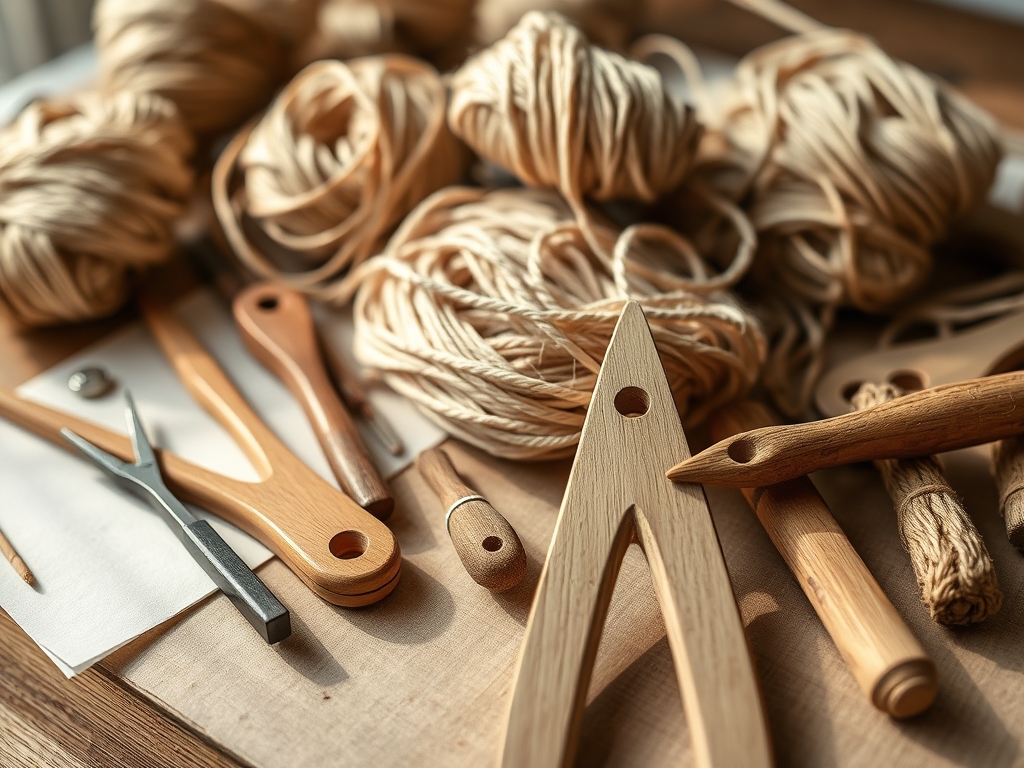
To execute this project with professional results, you need a kit that respects the erratic density of salt weathered wood. You will need a variable speed rotary tool with a fine diamond tipped bit for precision boring. Unlike standard lumber, driftwood has uneven internal moisture pockets that can cause splitting if you use a high torque drill. Use a digital caliper to measure the diameter of your brass hook shanks; accuracy here prevents the wood from fracturing under the pressure of the threads. Your hooks should be solid brass C-hooks with a high copper content to resist oxidation in humid environments. You also need 320-grit silicon carbide sandpaper for a wet-dry finish that burnishes the wood fibers without stripping the natural silver patina. For the mounting hardware, select braided stainless steel wire for its superior tensile strength and resistance to kinking.
Material Substitutions: If you cannot source authentic driftwood, you can use reclaimed lath from an old home or fallen orchard branches. If brass is too traditional for your studio vibe, swap it for blackened steel or brushed nickel hardware. Just ensure the metal gauge is compatible with the density of your chosen timber.
THE TEMPO
Crafting these hangers follows a specific maker's rhythm that respects the material's history. The Acclimation Phase takes about 48 hours; you must let the wood sit in your studio environment so its internal moisture levels stabilize with your local humidity. The Preparation Phase (cleaning and sanding) takes roughly 45 minutes per piece. The Precision Phase, where you map out hook placement and drill pilot holes, requires 30 minutes of deep focus. Finally, the Assembly Phase is a quick 20 minute sprint. Total active time is under two hours, but the passive drying and setting time ensures your hanger will not warp or drop hooks three months down the line.
THE CORE METHOD
1. The Desalination Scrub
Before you touch a tool, you must remove the surface salts and microorganisms. Use a stiff nylon brush to clear the crevices. If the wood feels "fuzzy," that is a sign of fiber degradation.
Mastery Tip: Salt is hygroscopic, meaning it pulls moisture from the air. If you do not scrub the wood, the salt trapped in the pores will eventually corrode your brass hooks from the inside out through a process called galvanic corrosion.
2. Mapping the Center of Gravity
Hold the wood by a single point to see how it naturally hangs. This is your axis of equilibrium. Use a pencil to mark the top center where your mounting wire will attach.
Mastery Tip: Driftwood is rarely symmetrical. By finding the natural balance point, you ensure that once the jewelry is added, the hanger does not tilt. This involves calculating the moment of inertia relative to your suspension point.
3. Precision Boring
Using your rotary tool, drill pilot holes that are exactly 80 percent of the diameter of your hook shank. Do not force the bit; let the high RPMs do the work to prevent "grain blowout."
Mastery Tip: Driftwood is highly anisotropic, meaning its strength varies depending on the direction of the grain. Drilling a pilot hole relieves the internal hoop stress that would otherwise cause the dry wood to check or split.
4. Hardware Integration
Thread your brass hooks into the pilot holes by hand. If you feel significant resistance, back the hook out and clear the debris from the hole with a puff of air.
Mastery Tip: The friction between the metal threads and the wood fibers creates a mechanical interlock. For extra security, you can apply a tiny drop of cyanoacrylate adhesive, which uses capillary action to wick into the wood and lock the hook in place.
5. Tension Mounting
Thread your stainless steel wire through the top pilot holes and secure them with aluminum crimp sleeves. Use a pair of linesman pliers to crush the sleeves for a permanent hold.
Mastery Tip: Braided wire distributes weight more evenly than solid wire. This reduces the point load on the wood, preventing the hanging holes from elongating over years of use.
THE TECHNICAL LEDGER
Maintenance & Longevity: Every six months, wipe the wood with a lint free cloth dampened with a bit of mineral oil. This prevents the fibers from becoming too brittle. Avoid aerosol sprays which can leave a sticky residue on the brass.
Material Variations: For a premium version, use solid bronze hooks and leather cordage instead of wire. The leather provides a softer aesthetic but has a lower tensile limit, so it is best for lightweight earrings rather than heavy necklaces.
The Correction:
- The Split: If the wood cracks while drilling, fill the void with a mixture of wood glue and fine sawdust. Sand it flush once dry.
- The Wobble: If the hanger tilts, add a small weight (like a hidden fishing sinker) to the lighter end to restore balance.
- The Loose Hook: If a hole is bored too wide, wrap the hook threads in a tiny bit of teflon tape to increase the diameter for a snug fit.
Studio Organization: Store your unfinished driftwood in a breathable mesh bag or a slatted wooden crate. Never seal it in plastic bins; the lack of airflow can trigger mold growth or dry rot, ruining the structural integrity of the timber.
THE FINAL REVEAL
There is nothing quite like the moment you lift your finished Driftwood Jewelry Hanger and see it catch the light. The contrast between the rugged, matte texture of the sea tossed wood and the polished, geometric precision of the brass hooks is a total design win. It feels substantial in your hand; a piece of the wild coast tamed by your own technical skill. When you hang your favorite necklaces on it, the piece transforms into a living installation. It is functional, it is sculptural, and it carries the energy of the tides right into your dressing room.
STUDIO QUESTIONS
Can I use wood found in a lake?
Yes, but lake wood often has higher organic silt content. You must boil the wood for ten minutes to kill any freshwater bacteria before drying it completely for 72 hours to ensure structural stability for your hooks.
How do I prevent the brass from tarnishing?
Apply a thin coat of microcrystalline wax to the hooks before installation. This creates a moisture barrier that prevents oxygen from reacting with the copper in the brass, keeping that high shine finish for years without polishing.
Is a pilot hole really necessary?
Absolutely. Driftwood is extremely dry and lacks the natural resins of fresh timber. Without a pilot hole, the wedge force of the screw threads will likely cause the wood to fracture along the longitudinal grain lines.
What is the best way to clean very dirty wood?
Use a mixture of distilled water and a small amount of oxygen bleach. Scrub the surface and rinse thoroughly. This removes deep seated grime and lightens the wood without destroying the delicate cellulose fibers like standard chlorine bleach would.
How much weight can one hanger hold?
A well constructed hanger can typically support up to five pounds. This depends on the shear strength of the wood and the depth of the hook threads. Always test the balance with your heaviest pieces first.