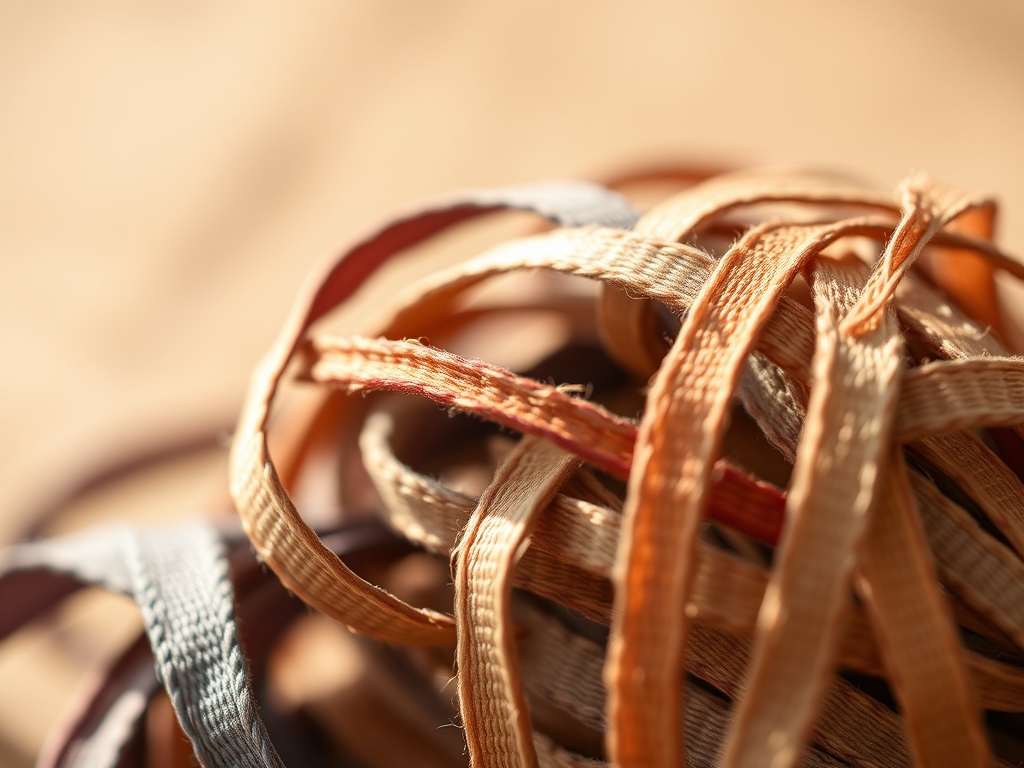
Close your eyes and imagine the friction of raw silk sliding across your palm. There is a specific, tactile resistance found only in Naturally Dyed Ribbons that synthetic fibers simply cannot replicate. When you hold a spool of botanical silk or organic cotton, you are feeling the structural integrity of a living cell wall that has been gently opened and then saturated with liquid light. The surface tension of the dye bath interacts with the porous nature of the fiber, creating a depth of color that shifts as the light hits different angles of the weave. We are not just making pretty bows here; we are performing a delicate dance of organic chemistry and textile engineering. Every knot you tie is a testament to the tensile strength of the plant fibers, providing an ergonomic satisfaction that turns a simple gift into a curated experience. This is about the weight of the spool, the scent of the tannins, and the absolute mastery of the pigment.
THE STUDIO KIT
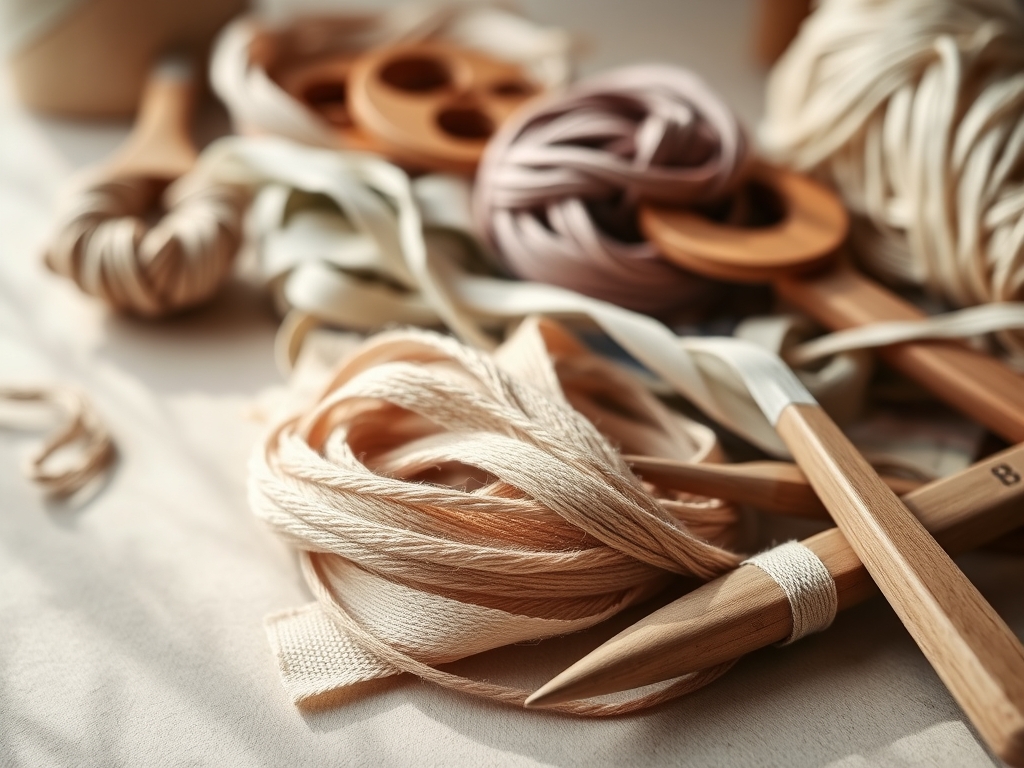
To achieve professional results, you must treat your studio like a laboratory. You will need a high-precision digital scale to measure your dyestuffs by weight of fiber (WOF). This ensures repeatable color saturation across different batches. For the fabric, prioritize high-density habotai silk or long-staple Egyptian cotton; these materials have a superior capillary action that pulls the pigment deep into the core of the fiber. You will also need a stainless steel non-reactive pot to prevent unwanted mineral shifts in your color profile.
For the cutting phase, skip the household scissors. Use a rotary cutter with a fresh carbide blade and a self-healing mat to ensure the edges do not fray prematurely. A bone folder is essential for burnishing the edges of the ribbon once it is dry, giving it that crisp, high-end finish. If you are working with heavier linens, a jeweler's saw or a specialized notching tool can help create decorative ends with microscopic precision.
Material Substitutions: If you cannot source raw silk, recycled chiffon or bamboo rayon serve as excellent alternatives. Bamboo fibers have a unique ply that mimics the sheen of silk while offering a higher moisture-wicking capability, which can actually speed up the drying process. Just ensure your substitute is a protein or cellulose fiber; synthetic polyester will reject natural pigments because it lacks the necessary molecular bonding sites.
THE TEMPO
Crafting these ribbons requires a specific "Maker's Rhythm." You cannot rush the molecular bond between the mordant and the fiber. The scouring phase, where you strip the fabric of industrial oils, takes approximately one hour of gentle simmering. Following this, the mordanting phase (the chemical bridge that fixes the color) requires at least two hours of heat, followed by a twelve-hour "cure" period.
The actual extraction of the plant pigment takes about ninety minutes of thermal agitation. Once the ribbons are submerged, the saturation phase can last anywhere from two hours to a full day depending on the desired value on the grayscale. Finally, the drying and finishing phase requires a steady, low-humidity environment for six hours. Total active "hands-on" time is low, but the total elapsed time is roughly twenty-four to thirty-six hours. Respect the clock; the chemistry does not care about your deadline.
THE CORE METHOD
1. The Scour and Prep
Before the color can enter the fiber, you must remove the "sericin" or factory pectins. Submerge your ribbon in a solution of pH-neutral detergent and soda ash. Simmer at 180 degrees Fahrenheit, ensuring you do not reach a rolling boil which could damage the protein structure of the silk.
Mastery Tip: This step utilizes surfactant science. By lowering the surface tension of the water, the detergent can penetrate the microscopic gaps in the weave, ensuring that the subsequent dye application is uniform rather than splotchy.
2. The Alum Bridge
Apply a mordant of potassium aluminum sulfate. This creates a chemical bond between the fiber and the plant ions. Dissolve the alum in hot water and submerge the wet ribbons, stirring gently with a stainless steel paddle to avoid "hot spots" of concentrated mineral.
Mastery Tip: This is all about ionic bonding. The alum acts as a mediator, holding onto the fiber with one hand and the pigment molecule with the other. Without this, your colors will wash away or fade rapidly under UV exposure.
3. Pigment Extraction: The 9 Colors
Prepare your dye baths using these nine botanical sources:
- Avocado Pits (Dusty Rose): High in tannins, no extra mordant needed.
- Onion Skins (Burnt Amber): Rich in quercetin.
- Turmeric (Electric Gold): High light-sensitivity; keep away from sun.
- Red Cabbage (Periwinkle): Highly pH-sensitive; add baking soda for teal.
- Black Walnuts (Deep Espresso): Massive tannin load for permanent bonds.
- Madder Root (Terracotta): Requires precise temperature control to avoid browning.
- Marigold (Sunshine Yellow): Excellent wash-fastness.
- Indigo (True Blue): Requires an anaerobic vat for reduction.
- Hibiscus (Cool Berry): Provides a high-acid, vibrant magenta.
Mastery Tip: Observe the solubility of the pigments. Some dyes are water-soluble, while others require a change in pH or temperature to release their chromatic potential.
4. The Saturation Dip
Lower your ribbons into the strained dye liquor. Use a glass stirring rod to ensure the fabric does not tangle. The goal is to keep the ribbons moving so the pigment particles distribute evenly across the entire surface area of the textile.
Mastery Tip: This phase relies on capillary action. The liquid travels through the interstitial spaces of the yarn, carrying the pigment into the center of the fiber ply.
5. The Cold Rinse and Set
Remove the ribbons and rinse in cool, distilled water until the water runs clear. Hang them in a shaded, well-ventilated area. Avoid direct sunlight, as UV rays can break down the organic bonds before they have fully cured.
Mastery Tip: The cold water helps to collapse the fiber scales, effectively locking the pigment inside the structural matrix of the ribbon.
THE TECHNICAL LEDGER
Maintenance & Longevity: Naturally dyed items are living colors. To prevent fading, store your ribbons in acid-free tissue paper inside a dark, temperature-controlled drawer. Avoid contact with acidic liquids like lemon juice, which can act as a natural bleach and shift the pH of the color.
Material Variations:
- Premium: Grade A Mulberry Silk offers the highest luster and tensile strength.
- Sustainable: Hemp ribbon provides a rugged, matte texture with incredible durability.
- Recycled: Torn strips of vintage linen sheets create a beautiful, frayed aesthetic.
The Correction:
- Streaking: Usually caused by overcrowding the pot. Fix by re-mordanting and over-dyeing in a larger vessel.
- Dullness: Often a result of "hard" tap water minerals. Use distilled water for the final rinse to restore clarity.
- Fading: If the color washes out, the mordant failed. Re-process with a higher concentration of alum.
Studio Organization: Use a pegboard system to hang your spools by color family. This prevents the ribbons from developing permanent creases and allows for easy visual inventory. Use a micrometer to check the gauge of your ribbons if you are layering them for complex gift wrapping.
THE FINAL REVEAL
Look at that finish! The way the avocado pink plays against the deep walnut brown creates a sophisticated, organic palette that no plastic ribbon could ever touch. The edges are crisp, the drape is fluid, and the color has a "soul" to it. When you wrap a gift with these, you aren't just giving an object; you are giving a piece of art that smells of the earth and feels like luxury. The tactile feedback of the silk knotting perfectly under your fingers is the ultimate reward for your technical precision.
STUDIO QUESTIONS
How do I make natural dyes lightfast?
Always use a mordant like alum or tannins. This creates a permanent chemical bond between the pigment and the fiber, significantly increasing resistance to UV degradation and ensuring the color remains vibrant over time.
Can I dye synthetic ribbons with plants?
Generally, no. Synthetic fibers like polyester are non-porous and lack the molecular binding sites required for natural pigments. Stick to protein fibers like silk or cellulose fibers like cotton and linen for successful saturation.
Why did my purple cabbage dye turn green?
Natural dyes are pH-sensitive. Cabbage is an indicator; alkaline water or baking soda shifts it to green or teal, while acidic additions like vinegar will shift the pigment toward pink or red.
How do I prevent ribbon edges from fraying?
Use a sharp rotary cutter for clean lines. For a permanent fix, you can apply a microscopic amount of clear fabric resin to the tips or use a "stay-stitch" along the edges with a high-gauge thread.