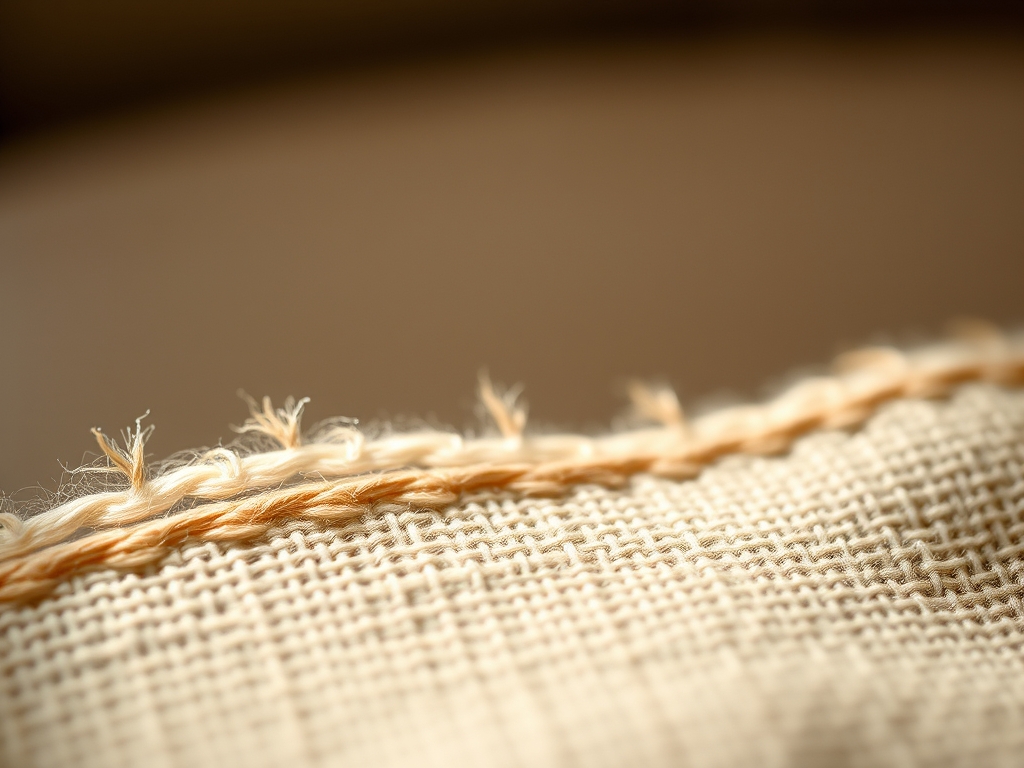
Grab your favorite pair of worn out denim because we are about to perform some textile surgery that looks like high end art. Feel that texture under your fingertips. The frayed cotton fibers are crying out for structural reinforcement. You can sense the thinning of the weave where the indigo has faded to a ghostly white. This is where we master Sashiko Mending Basics to turn a blowout into a masterpiece. We are not just sewing; we are re-engineering the structural integrity of the garment using ancient Japanese geometric logic. The tactile resistance of the heavy denim against a sharp needle provides a rhythmic satisfaction that is pure dopamine for the maker soul. We are going to use high tensile strength thread to bridge the gaps in your jeans; creating a composite material that is actually stronger than the original factory weave. It is time to stop mourning your clothes and start upgrading them with mathematical precision and a serious dose of style.
THE STUDIO KIT
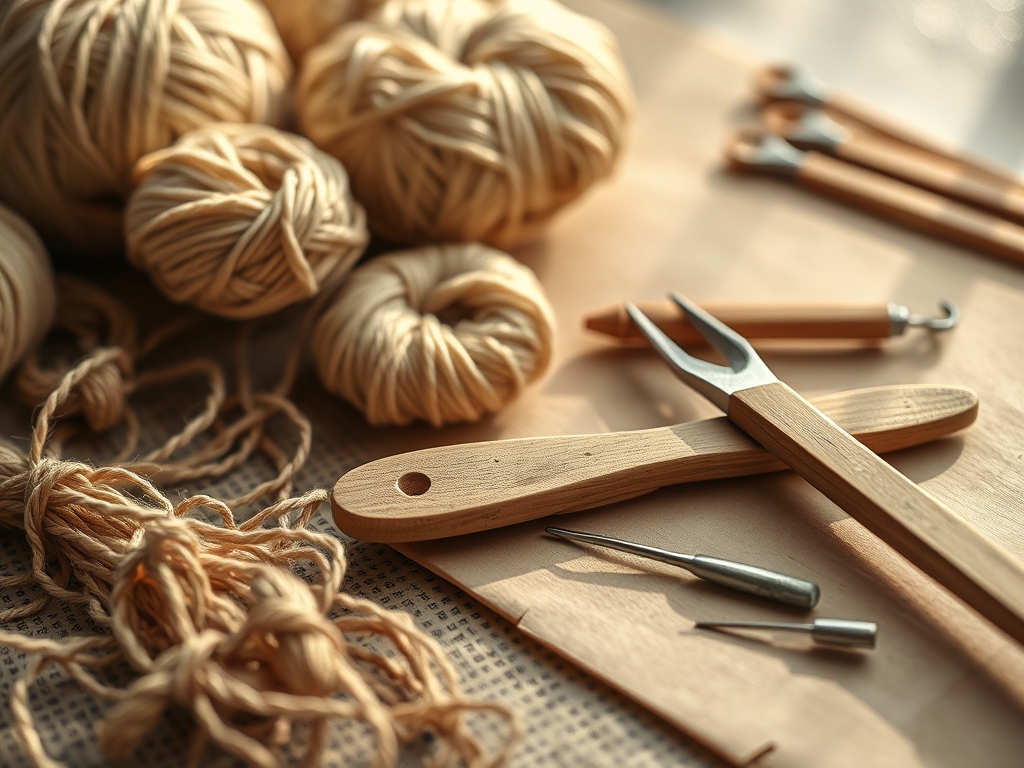
To execute these patterns, your workstation needs more than just a random needle. You need a long sashiko needle with a consistent gauge from eye to tip to ensure even passage through multiple layers of denim. The thread should be 100 percent cotton matte finish sashiko thread; which is non-mercerized. This lack of chemical coating allows the fibers to expand and bloom during the first wash; effectively locking the stitches into the base fabric through friction and fiber entanglement.
You will also need a metal thimble (the palm-style ring is best for ergonomic leverage) and a water-soluble marking pen or a fine-point tailor's chalk for layout. For precision, keep a clear acrylic ruler and a rotary cutter nearby to prep your patch material.
Material Substitutions: If you cannot source traditional sashiko thread, use pearl cotton size 8 or several strands of high quality embroidery floss. However, avoid standard polyester sewing thread for the decorative elements; its high elasticity and thin diameter will cause it to cheese-wire through the denim over time. For the patch, use a scrap of non-stretch denim or a heavy linen. Ensure the grain direction of your patch matches the grain direction of your jeans to prevent puckering during movement.
THE TEMPO
The maker's rhythm is a meditative state where your hand-eye coordination syncs with the resistance of the cloth.
- The Prep Phase (20 minutes): This involves trimming loose threads with a precision awl or snips and cutting your reinforcement patch.
- The Layout Phase (30 minutes): This is the most critical stage. Use your ruler to mark a precise grid. Accuracy here determines the geometric success of the final pattern.
- The Stitching Phase (2 to 5 hours): Depending on the complexity of the pattern (like the Shippo-tsunagi or Asano-ha), this is where you settle into the flow.
- The Finishing Phase (10 minutes): Burying your knots and a final steam press to set the fibers.
THE CORE METHOD
1. The Foundation Grid
Before you take a single stitch, you must map the territory. Use your acrylic ruler to mark a 5mm or 10mm grid over the damaged area. This ensures your geometric shapes remain symmetrical as they traverse the uneven topography of the denim.
Mastery Tip: This grid acts as a coordinate system. By maintaining a consistent distance between intersections, you distribute the mechanical stress of the mend across a wider surface area; preventing the patch from tearing away from the weakened original fabric.
2. The Running Stitch (Rice Grain)
The most basic sashiko stitch is the Hishi-mon. Load your needle with several stitches at once before pulling the thread through. Keep your stitches on top slightly longer than the gaps on the bottom (a 3:2 ratio is standard).
Mastery Tip: Do not pull the thread too tight. You must account for fabric displacement. If the thread is under too much tension, the denim will warp and ripple. Leave a tiny loop of thread on the underside when you turn a corner to provide a "tension buffer."
3. The Intersecting Circle (Shippo-tsunagi)
This pattern represents the seven treasures. It involves stitching overlapping circles that create star-like shapes at the intersections. Use a small circular template or a drafting compass to mark your arcs.
Mastery Tip: This pattern utilizes triangulated strength. Because the stitches move in multiple directions rather than just a straight line; they provide multi-axis reinforcement that is perfect for high-stress areas like the inner thigh or knee.
4. The Hemp Leaf (Asanoha)
This is a complex starburst pattern that is incredibly popular in Sashiko Mending Basics. It starts with a vertical and horizontal grid, followed by diagonal lines that intersect at the center of each square.
Mastery Tip: The Asanoha pattern creates a honeycomb structure. In material physics, the hexagon is one of the strongest shapes in nature. By mimicking this, you are creating a structural web that can withstand significant tensile force.
5. The Persimmon Flower (Hana-zashi)
This pattern looks like a series of small, four-petaled flowers. It is built on a tight grid and requires precise "hitomezashi" (one-stitch) technique where the stitches meet at the corners but do not cross.
Mastery Tip: This creates a high-density fiber reinforcement. By increasing the number of stitch intersections per square inch, you are effectively increasing the "denier" of the repaired area; making it nearly puncture-proof.
6. The Wave (Seigaiha)
The classic wave pattern is created by concentric half-circles. It is beautiful but requires a steady hand to maintain the curve. Use a bone folder to crisp up your patch edges before you start this decorative overlay.
Mastery Tip: The overlapping arcs utilize surface tension principles. The curved lines allow the fabric to retain its natural drape and flexibility; which is essential for jeans that need to move with your body.
THE TECHNICAL LEDGER
Maintenance & Longevity: Always wash your mended denim in cold water and air dry. Heat from a dryer can cause the cotton sashiko thread to shrink at a different rate than the denim; leading to distorted patterns.
Material Variations:
- Sustainable: Use scraps from old organic cotton tees as soft interior patches.
- Premium: Use hand-dyed indigo thread for a monochromatic, luxury look that will fade beautifully with the jeans.
The Correction:
- Puckering: If the fabric bunches, your tension is too high. Use a seam ripper to remove the section and re-stitch with a looser hand.
- Uneven Stitches: This usually happens when you skip the grid. Always use a marking tool; do not eyeball the geometry.
- Thread Snapping: If your thread shreds, your needle eye might have a burr. Use a jeweler's saw or fine sandpaper to smooth the eye or simply switch to a higher quality needle.
Studio Organization: Store your sashiko supplies in a dry, dark container. Indigo-dyed threads are light-sensitive and will fade if left in direct sun. Use a magnetic needle minder to ensure you never lose a needle in the carpet.
THE FINAL REVEAL
Look at that! Your jeans are no longer a "project" but a piece of wearable architecture. The geometric precision of the Asanoha or the flowing lines of the Seigaiha have transformed a flaw into a feature. There is a profound sense of power in knowing that you have the technical skill to extend the life of your wardrobe. The contrast of the white thread against the deep indigo denim is a classic aesthetic that signals you are a maker who values both form and function. Toss them on; feel the extra weight and durability of the mend; and go out there knowing your favorite jeans are now one of a kind.
STUDIO QUESTIONS
What is the best thread for Sashiko Mending Basics?
Use 100 percent non-mercerized cotton sashiko thread. Its matte texture and loose twist allow the fibers to expand and grip the denim during washing; creating a permanent structural bond that resists fraying better than standard sewing thread.
Do I need a hoop for sashiko mending?
No; traditional sashiko is done without a hoop. Holding the fabric loosely in your hands allows you to load multiple stitches onto the long needle at once; which is essential for maintaining even tension and a rhythmic "rice grain" stitch.
Can I use a regular sewing needle?
Regular needles are often too short and have tapered shafts that can struggle with thick denim. A dedicated sashiko needle has a uniform thickness and a larger eye; making it easier to pull heavy thread through multiple layers without fatigue.
How do I prevent my sashiko knots from coming undone?
Avoid bulky knots by using a "waste knot" or by stitching over your thread tails for several stitches on the underside. This creates a friction-based anchor that is flatter and more secure than a standard knot; preventing discomfort against the skin.