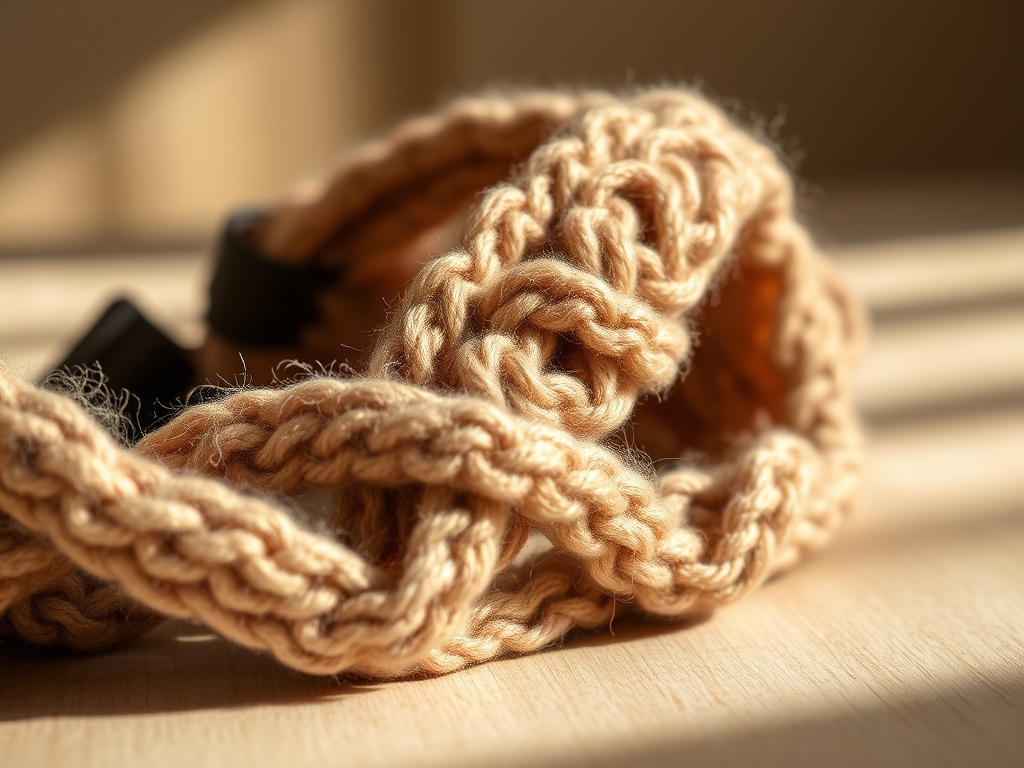
The bite of a northern wind is no match for the structural integrity of a well-executed cable. Imagine the sensation of raw, unspun wool sliding through your fingertips; it is oily with lanolin and heavy with the promise of thermal regulation. When we talk about Hand Knit Headbands, we are not just discussing a simple winter accessory. We are discussing the engineering of warmth through the manipulation of negative space and fiber density. Your hands are the primary tools in this tactile dance, managing the tensile strength of the yarn as it transforms from a linear strand into a three-dimensional lattice. The friction of the needles creates a rhythmic click that serves as the heartbeat of the studio. You can feel the potential energy stored in every loop, waiting to be released as a snug, insulating barrier against the frost. This is where physics meets fashion; it is the art of trapping air within the microscopic scales of protein fibers to create a personal microclimate.
THE STUDIO KIT
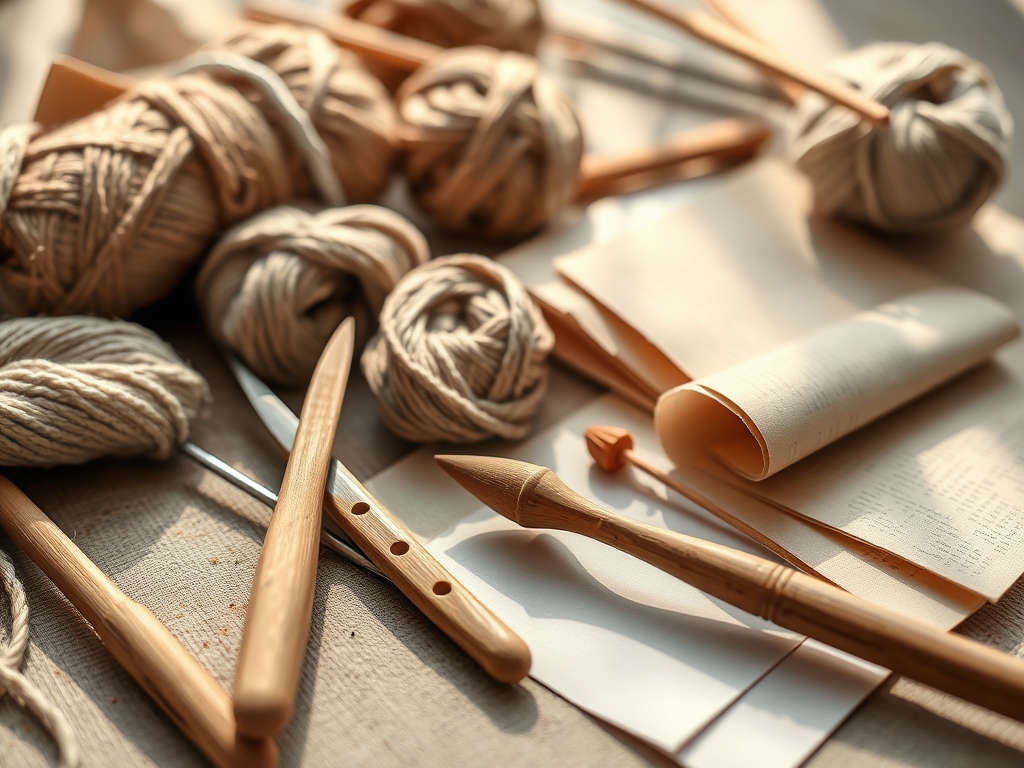
To achieve professional results, your toolkit must be as precise as a jeweler's bench. You will need a pair of ergonomic circular needles or double-pointed needles, preferably made of stainless steel or carbon fiber to minimize surface drag. A caliper is surprisingly useful here to measure the diameter of your yarn and ensure your gauge remains consistent across all seven patterns. You must also have a high-quality cable needle, a tapestry needle for seamless grafting, and a sharp pair of embroidery scissors.
The material selection is the foundation of your project. I recommend a worsted weight merino wool for its high elasticity and moisture-wicking properties. Merino fibers have a natural crimp that provides excellent loft, which is essential for trapping heat. For Material Substitutions, you might consider an alpaca blend for increased thermal efficiency, though you must account for its lower memory and tendency to stretch. If you are working in a vegan studio, a high-twist pima cotton and acrylic blend can mimic the structural rigidity of wool without the animal byproduct, though it lacks the same natural water resistance.
THE TEMPO
The "Maker's Rhythm" is a psychological state where the mechanical repetition of stitches aligns with your cognitive focus. For these Hand Knit Headbands, expect a total production time of three to five hours per piece. The Initial Swatching Phase takes approximately thirty minutes; this is where you verify your tension and ensure the yarn behaves as expected under stress. The Execution Phase is the bulk of the work, requiring two to four hours of active knitting depending on the complexity of the twist. Finally, the Finishing Phase, including blocking and weaving in ends, requires about twenty minutes of active labor plus drying time. Respecting this tempo prevents hand fatigue and ensures that the stitch definition remains crisp from the first cast-on to the final bind-off.
THE CORE METHOD
1. The Classic Braided Cable
This pattern utilizes a three-way crossing technique to mimic the appearance of a heavy rope. You will work over a panel of fifteen stitches, crossing the left and right sections over a central pillar.
Mastery Tip: The science of structural integrity is at play here. When you cross stitches, you increase the local density of the fabric, which creates a thicker barrier against wind. Always maintain a consistent tension on the "traveling" stitches to prevent gaps at the base of the twist.
2. The Honeycomb Lattice
This design uses small, frequent offsets to create a cellular structure. It is highly elastic and provides a snug fit for varying head circumferences.
Mastery Tip: This pattern relies on surface tension. By alternating the direction of your twists every four rows, you create a hexagonal grid that distributes mechanical stress evenly across the fabric, preventing the headband from sagging over time.
3. The Reversible Brioche Twist
Brioche knitting creates a double-layered fabric that is exceptionally plush. Adding a twist to this technique results in a headband that is twice as warm as a standard stockinette version.
Mastery Tip: This involves capillary action. The hollow spaces within the brioche ribs act as reservoirs for warm air. Use a larger needle size than recommended to ensure the "tuck" stitches have enough volume to loft properly.
4. The Celtic Knotwork
This intricate pattern requires a high level of spatial awareness. You will be moving small groups of stitches across a purl background to create a continuous, flowing line.
Mastery Tip: Focus on ply stability. When moving stitches across a wide span, the yarn is under increased lateral stress. Choosing a high-twist yarn prevents the individual plies from separating, which maintains the sharp definition of the knotwork.
5. The Faux-Knot Turban
This is a construction-based pattern where a straight length of knitting is seamed in a specific way to create a permanent twist at the forehead.
Mastery Tip: This is a lesson in geometry and torque. The way you fold the ends before seaming dictates the "drape" of the final piece. Use a mattress stitch for the join to create an invisible, structural seam that mimics the look of a continuous loop.
6. The Staghorn Cable
This wide, symmetrical cable fans outward from the center, resembling the antlers of a deer. It is a bold, architectural choice for heavy winter wear.
Mastery Tip: Observe the alignment of the grain. Because the staghorn cable is so wide, it can cause the edges of the headband to curl inward. Counteract this by adding a wide seed-stitch border to provide lateral stability.
7. The Mock-Cable Rib
For those who want the look of a twist without the hassle of a cable needle, this pattern uses slipped stitches and yarn-overs to simulate a braided effect.
Mastery Tip: This technique leverages optical density. By manipulating how light hits the raised stitches, you create the illusion of depth. Ensure your yarn has a smooth, matte finish to maximize this visual effect without distracting "halo" or fuzz.
THE TECHNICAL LEDGER
Maintenance & Longevity: To preserve the protein fibers, hand wash your headbands in tepid water using a pH-neutral detergent. Avoid agitation, which causes the microscopic scales on the wool to interlock, leading to "felting." Dry flat on a ventilated surface to maintain the original dimensions.
Material Variations: For a premium experience, source Qiviut (muskox wool), which is eight times warmer than sheep's wool. For a sustainable approach, look for recycled cashmere, which offers extreme softness with a lower environmental footprint.
The Correction:
- The Loose Cable: If your twists look sloppy, you are likely carrying too much slack on the cable needle. Fix this by tightening the first stitch immediately following the cross.
- The Hourglass Effect: If the headband is too tight at the cables and loose elsewhere, your gauge is inconsistent. Use a bone folder to gently even out the stitches during the blocking process.
- The Pilling Problem: Friction causes short fibers to migrate to the surface. Use a specialized fabric shaver or a small pair of scissors to remove pills without compromising the base fabric.
Studio Organization: Store your projects in airtight containers with cedar blocks to prevent moth damage. Use acid-free tissue paper to wrap finished headbands, which prevents the fibers from becoming compressed and losing their insulating loft.
THE FINAL REVEAL
Behold the finished product: a masterpiece of thermal engineering and aesthetic precision. These Hand Knit Headbands represent the perfect synthesis of form and function. When you slide one over your ears, you should feel a firm but comfortable "hug" that signifies correct sizing and elasticity. The cables should stand out in high relief, casting shadows that highlight the complexity of the pattern. You have successfully transformed a humble skein of yarn into a sophisticated piece of winter armor. It is time to step out into the cold, confident that your craftsmanship will keep you warm while looking absolutely brilliant.
STUDIO QUESTIONS
What is the best yarn for Hand Knit Headbands?
Merino wool is the gold standard due to its tensile strength and natural elasticity. It provides excellent stitch definition for cables while remaining soft against the skin, making it ideal for high-performance winter accessories.
How do I prevent my headband from stretching out?
Ensure you are knitting at a tight gauge and consider using a yarn with a small percentage of nylon. Proper blocking and hand washing in cool water will also help the protein fibers retain their original memory.
Can I make these without a cable needle?
Yes, you can use the slipped-stitch method or a small tapestry needle to rearrange stitches manually. This requires high tactile precision to ensure you do not drop any live loops during the transition process.
How many yards of yarn do I need?
Most Hand Knit Headbands require between 100 and 150 yards of worsted weight yarn. Always check your yardage against the pattern's specific requirements to ensure you have enough material to complete the structural twists.
Why does my cable look distorted?
Distortion usually occurs due to uneven tension at the junction of the twist. To fix this, use your knitting needles to manually redistribute the excess yarn from the loose stitches into the surrounding ribbing before blocking.