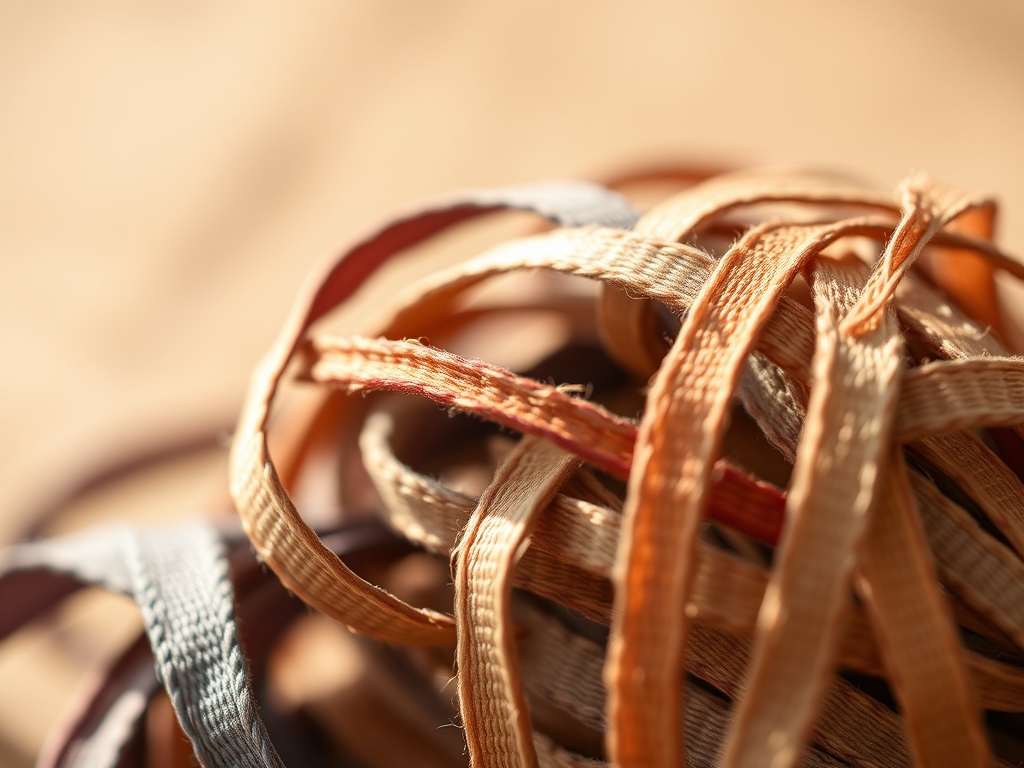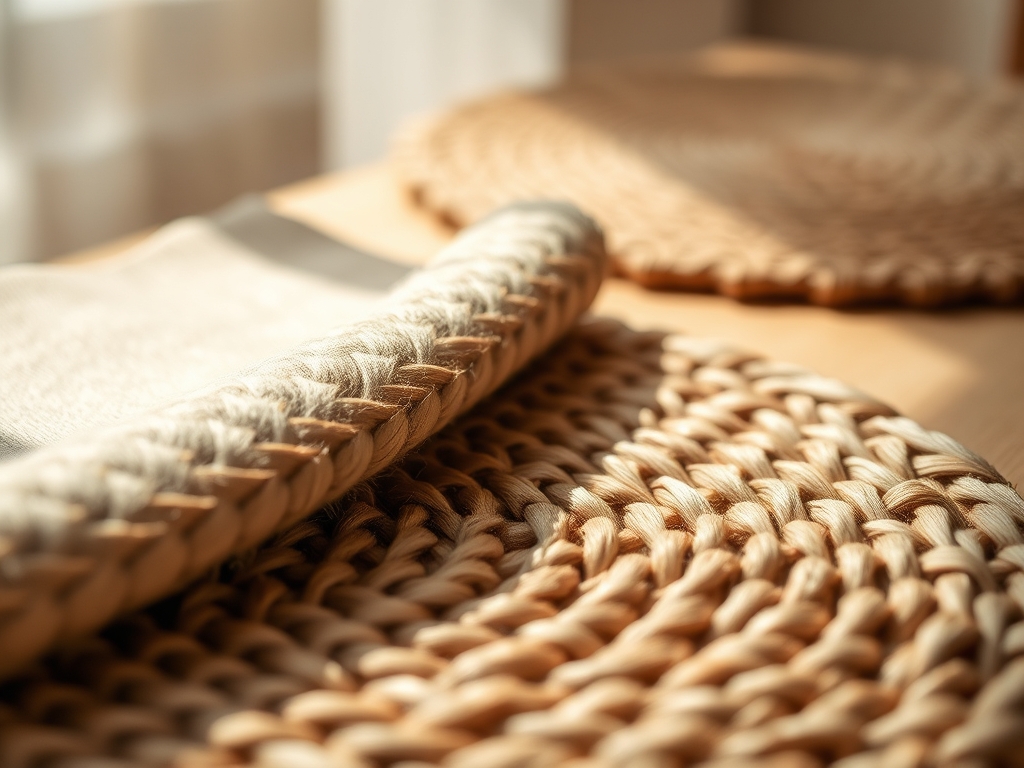
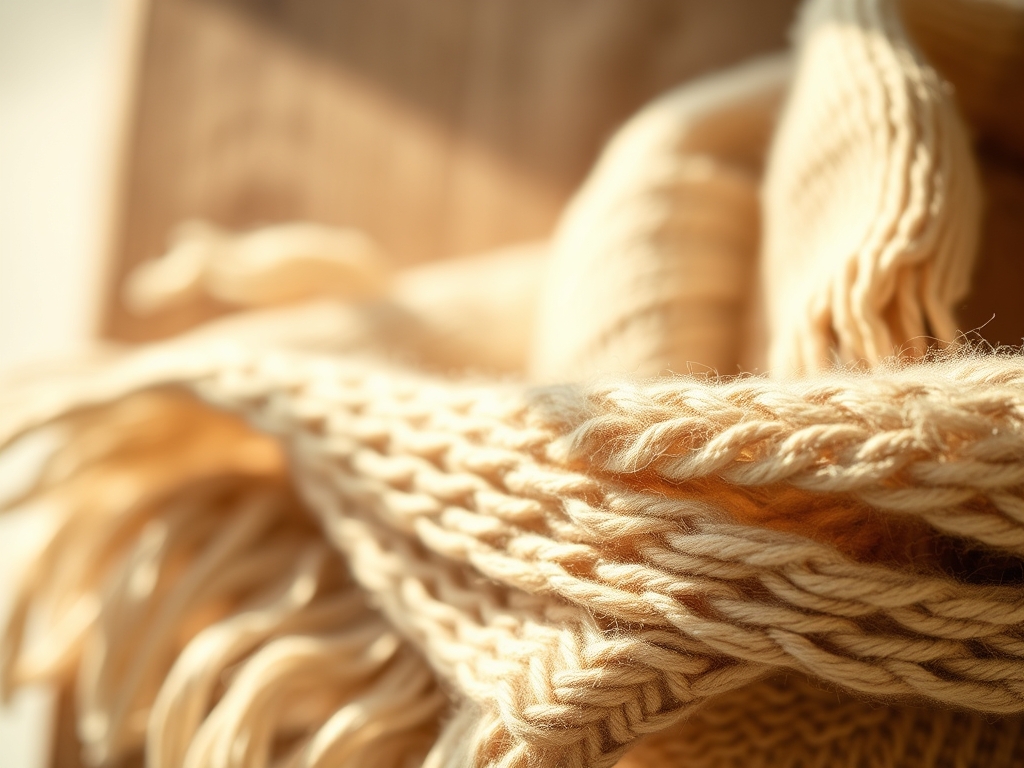
Imagine the sensation of a cloud that has been spun into a structural masterpiece. That is the magic of working with premium alpaca fibers. When you run your fingers across these Hand Woven Shawls, you are not just feeling fabric; you are feeling thousands of tiny, hollow-core protein filaments that trap heat while remaining incredibly lightweight. Alpaca wool lacks the scales found on sheep wool, which gives it that signature silky glide and a high tensile strength that belies its delicate appearance. As a maker, you have to respect the way the grain flows. It is a tactile conversation between your hands and the loom. We are diving into the physics of drape today, exploring how gravity interacts with the specific ply and gauge of your weave to create silhouettes that look like liquid gold. Whether you are a seasoned weaver or a curious collector, understanding the structural integrity of these pieces changes everything. Let us get our hands on some fiber and start the transformation.
THE STUDIO KIT
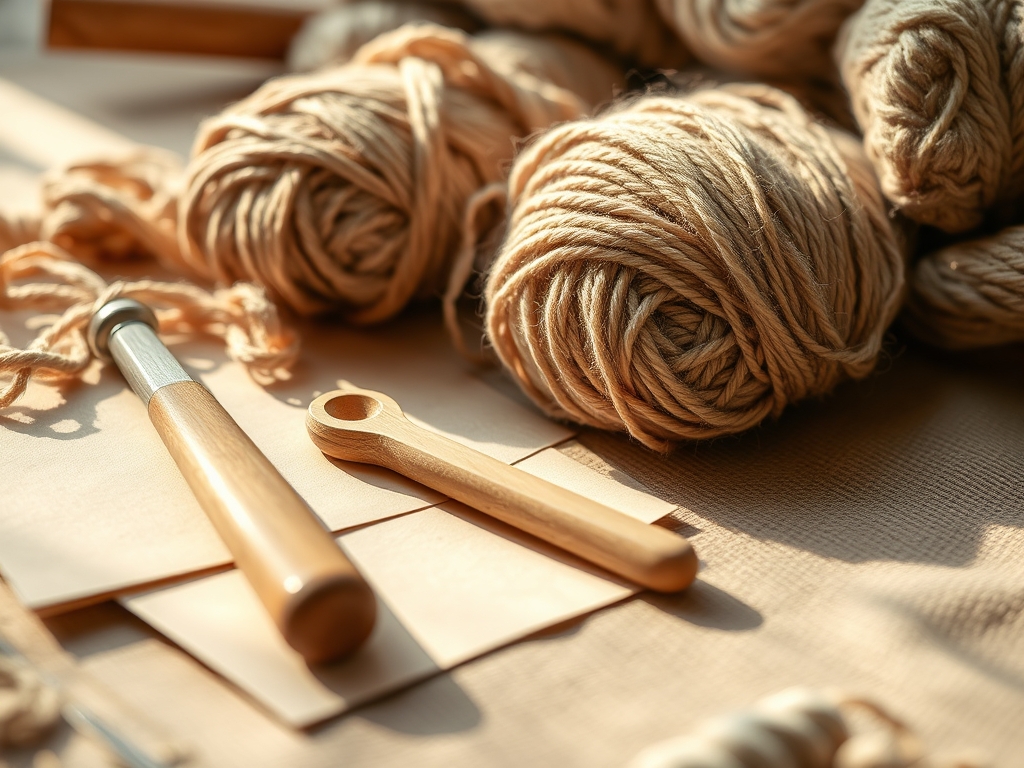
To master these drapes, your toolkit needs to be as precise as a jeweler's bench. You will need a pair of high-carbon steel shears for clean edge termination; dull blades will crush the hollow fibers rather than slicing them. Grab a bone folder to crisp up any structural folds and a set of digital calipers to measure the thickness of your selvedge. The star of the show is the 100 percent baby alpaca yarn, which boasts a micron count between 18 and 22 for maximum softness.
If you cannot source pure alpaca, a mulberry silk blend is a fantastic Material Substitution. The silk adds a luminous sheen and increases the bursting strength of the fabric, though it will slightly alter the thermal insulation properties. You might also consider a high-twist merino if you want more "memory" in your folds. Avoid synthetic acrylics here; they lack the capillary action required to wick moisture and will not hold a block as effectively as natural protein fibers.
THE TEMPO
The "Maker's Rhythm" is a real psychological state where your heart rate syncs with the throw of the shuttle. For these eight drapes, expect a total time investment of about four hours of active styling and blocking. The initial hydration phase, where you lightly steam the fibers to relax the hydrogen bonds, takes thirty minutes. Each individual drape requires twenty minutes of "sculpting" time to ensure the weight is distributed evenly across the shoulders. Finally, there is the setting phase. You must allow the shawl to rest for at least two hours in a temperature-controlled environment. This allows the fibers to cool and "lock" into their new geometric configuration. Do not rush the cooling; the thermal memory of the wool is what ensures the drape stays crisp all evening.
THE CORE METHOD
1. The Asymmetric Waterfall
This drape relies on the coefficient of friction between the fibers to stay in place. Drape one end over your shoulder, allowing the bulk of the fabric to cascade diagonally across the torso.
Mastery Tip: Use the weight of the weave to your advantage. Alpaca has a specific drape coefficient; by placing the heaviest part of the weave at the lowest point, you create a self-stabilizing tension that prevents the shawl from slipping.
2. The Architectural Cowl
Loop the shawl twice around the neck, pulling the inner layer tighter than the outer. This creates a thermal pocket of air.
Mastery Tip: This relies on volumetric density. By layering the fabric, you increase the R-value (insulation) of the garment. Ensure the folds are not compressed; you want to maintain the "loft" of the fibers to trap heat effectively.
3. The Belted Tunic Wrap
Place the shawl over both shoulders and secure it at the natural waist with a leather cord. This transforms the accessory into a structural garment.
Mastery Tip: Observe the vertical grain alignment. If the shawl is crooked, the stress on the fibers will be uneven, leading to "bagging" at the elbows. Use your calipers to ensure the distance from the belt to the hem is uniform on both sides.
4. The Classic European Loop
Fold the shawl in half lengthwise, wrap it around the neck, and pull the loose ends through the loop.
Mastery Tip: This drape tests the flexural rigidity of the wool. If the loop is too tight, you risk crushing the delicate air pockets in the alpaca. Keep the loop loose to allow the fibers to "breathe" and maintain their bounce.
5. The Shoulder Bolero
Cross the ends of the shawl behind your back and tie them loosely at the lumbar. This creates a faux-sleeve effect.
Mastery Tip: This utilizes torsional tension. By twisting the ends before tying, you create a mechanical lock that holds the shawl against the upper arms without the need for pins or fasteners.
6. The Grecian Goddess
Pin one corner of the shawl at the shoulder and let the rest of the fabric spiral around the body.
Mastery Tip: This is all about bias stretch. Natural hand woven shawls have more "give" when pulled diagonally. By utilizing the bias, you allow the fabric to contour to the body's curves using its own inherent elasticity.
7. The Reverse Cape
Drape the shawl over your chest with the ends hanging down your back. Cross them and bring them back to the front.
Mastery Tip: This setup maximizes surface area coverage. By covering the chest first, you protect the core body temperature. The weight of the ends hanging in front acts as a counterweight to keep the back panel flat.
8. The Knotted Pashmina
Tie a loose overhand knot in the center of the shawl and position it at the collarbone.
Mastery Tip: Be careful with fiber abrasion. Repeated knotting in the same spot can lead to pilling. Always "burnish" the knot gently with your fingers to smooth down the cuticle of the wool and prevent tangling.
THE TECHNICAL LEDGER
To ensure your Hand Woven Shawls last for decades, you must manage their environment. Alpaca is hygroscopic, meaning it absorbs moisture from the air. Always store your pieces in a breathable cotton bag; plastic bins trap moisture and can lead to mildew or fiber degradation.
Material Variations:
- Premium: Royal Alpaca (under 19 microns).
- Sustainable: Undyed "Eco-Alpaca" which skips the chemical stress of the dye vat.
- Recycled: Blends using reclaimed spinning waste to reduce environmental impact.
The Correction:
- The Sag: If the shawl loses shape, the elastic recovery has failed. Fix this by a light "blocking" session with cool steam.
- The Pill: Small balls of fiber caused by friction. Use a specialized wool comb at a 45-degree angle to slice them off without pulling the weave.
- The Static: Alpaca is low-static, but in dry heat, it can charge. Use a metal hanger to "ground" the garment and dissipate the electrons.
Studio Organization: Use a hanging rack with padded bars to prevent "creasing" at the fold line. Never use wire hangers; the narrow gauge of the wire will create a permanent pressure mark in the wool.
THE FINAL REVEAL
There is a profound sense of accomplishment in mastering the geometry of a shawl. When you step out, the Hand Woven Shawls do not just sit on your shoulders; they move with you, responding to your kinetic energy with a graceful, heavy swing. The alpaca fibers catch the light in a way that highlights the intricate "over-under" logic of the loom. You are wearing a piece of engineering that is as functional as it is beautiful. It is warm, breathable, and structurally sound. Now, go show off that waterfall drape and let the world see the science of your style.
STUDIO QUESTIONS
How do I clean my hand woven shawl?
Hand wash in cool water using a pH-neutral detergent. Avoid agitation to prevent felting. Lay the piece flat on a lint-free towel to dry, reshaping it to its original dimensions to maintain the structural integrity of the weave.
Why does alpaca wool feel warmer than sheep wool?
Alpaca fibers contain medullated cores, which are microscopic air pockets that act as thermal insulators. This unique physical structure traps body heat more efficiently than solid fibers, providing superior warmth without adding unnecessary bulk or weight to the garment.
Can I use a steamer on my shawl?
Yes, but maintain a distance of at least three inches. The steam relaxes the inter-fiber friction, allowing you to remove wrinkles without compressing the loft. Never touch the steamer head directly to the wool to avoid heat damage or scorching.
What is the best way to prevent moths?
Store your shawl with cedar blocks or lavender sachets. These natural repellents interfere with the moth's sensory receptors. Ensure the shawl is completely clean before storage, as moths are attracted to skin oils and food proteins trapped in the fibers.