
Imagine the sound of a sharp blade slicing through a sheet of high density cellular bark. It is a soft, rhythmic rasp that feels more like butter than wood. When you pick up a piece of raw cork, you are holding a marvel of evolutionary engineering. It is light, warm to the touch, and surprisingly resilient due to its honeycomb structure of suberin-filled cells. This material is not just for wine bottles; it is a high performance substrate waiting for your creative input. Today, we are diving deep into the world of Natural Cork Crafts to transform your workspace from a sterile plastic zone into a tactile, sustainable sanctuary. We are going to harness the natural elasticity of the Quercus suber tree to create pieces that are as functional as they are beautiful. Think of this as a chemistry lesson meets a design studio session. We are playing with friction, compression, and structural integrity to build a home office that breathes. Grab your favorite mug of coffee; it is time to get our hands on some of the most versatile biomass on the planet.
THE STUDIO KIT
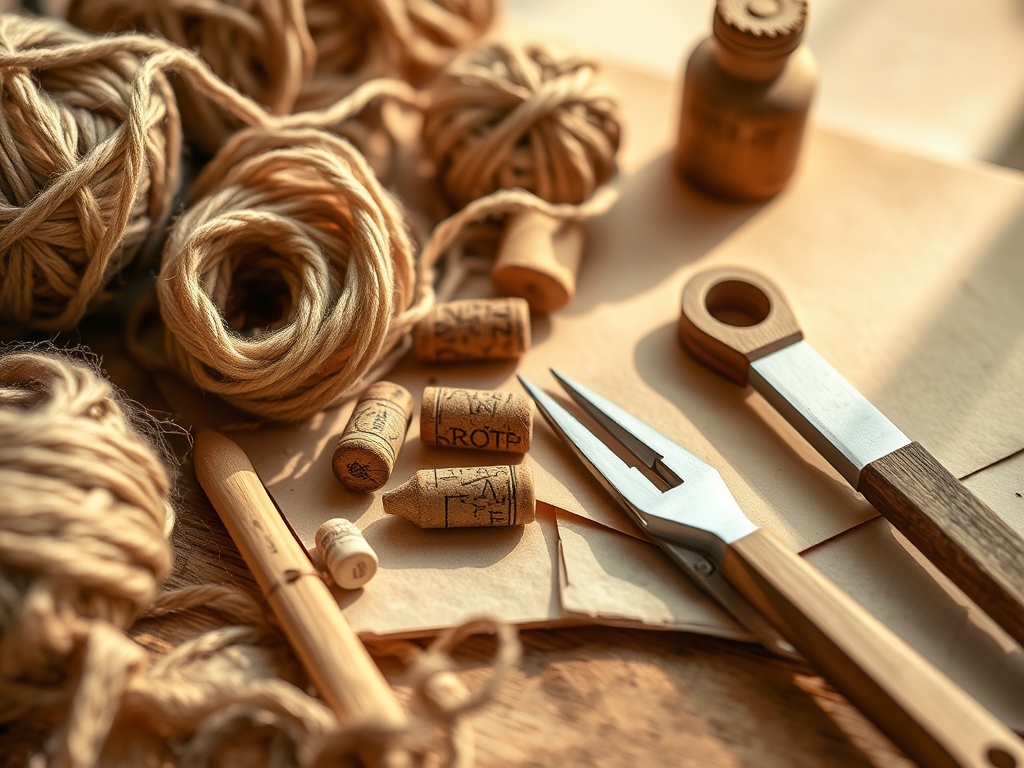
To master Natural Cork Crafts, you need tools that respect the material's unique grain and compressibility. Unlike hardwood, cork does not splinter; it crumbles if your blade is dull. You will need a professional-grade rotary cutter with a 45mm tungsten steel blade for long, fluid sweeps. For precision work and intricate cutouts, an X-Acto knife with a #11 blade is your best friend. You must also have a heavy steel ruler with a non-slip backing to act as your guide; plastic will simply get nicked.
For assembly, we are looking at cyanoacrylate adhesives for instant bonds or low-VOC contact cement for larger surface areas. A bone folder is essential for burnishing edges and ensuring the adhesive permeates the porous surface. If you are working with thicker sheets, a small awl will help you pre-drill holes without tearing the surrounding fibers.
Material Substitutions: If you cannot source premium Portuguese cork rolls, look for upcycled bulletin boards or even thick wine stoppers. For a vegan alternative to leather accents, use kraft paper fabric, which shares a similar tensile strength and ages beautifully alongside the cork.
THE TEMPO
The "Maker's Rhythm" for cork is all about patience during the preparation phase and speed during the bonding phase. You cannot rush the acclimation. Because cork is hygroscopic, it absorbs moisture from the air. You need to let your material sit in your studio for at least 24 hours to reach equilibrium moisture content.
The cutting phase is the most meditative; it takes about 30 to 45 minutes for a standard desk set. The bonding phase is high intensity. Once you apply contact cement, you have a "tack window" of about 5 to 10 minutes. If you miss it, the bond fails. Finally, allow for a 12 hour "cure time" under weighted pressure to ensure the cellular walls of the cork fully interlock with the adhesive.
THE CORE METHOD
1. The Precision Desk Blotter
Start by measuring your workspace with digital calipers to ensure a perfect fit. Use your rotary cutter to slice a 6mm thick cork sheet. The key here is to maintain a 90 degree angle with your blade to prevent beveled edges that trap dust. Mastery Tip: Cork has a natural "memory." If your roll is curled, do not force it flat. Use a steam iron on a low setting with a pressing cloth to relax the lignin bonds in the fibers before you cut.
2. Geometric Hexagon Coasters
Cut several 4 inch hexagons using a template. These are perfect for practicing your "cross-grain" cutting. Because cork is isotropic, it has similar properties in all directions, but the visual grain still matters. Mastery Tip: Use a fine-grit sandpaper (220 or higher) to bevel the top edges. This creates a professional finish and prevents the edges from "picking" or fraying over time.
3. The Vertical Pin Strip
Instead of a bulky board, cut long, 2 inch wide strips of 12mm thick cork. Mount these directly to your wall using heavy duty mounting tape. This utilizes the compressive recovery of the cork; it will "heal" itself every time you remove a pin. Mastery Tip: Before mounting, seal the back of the cork with a thin layer of shellac to prevent the adhesive from migrating into the porous center of the strip.
4. Ergonomic Mouse Landing
A cork mousepad provides the perfect amount of kinetic friction for optical sensors. Cut a 9 inch circle using a compass cutter. Mastery Tip: Apply a light coat of beeswax polish to the surface. This reduces surface tension and allows your mouse to glide while maintaining the tactile warmth of the material.
5. Cable Management Toggles
Slice thin strips of 2mm cork and attach a small magnetic clasp to each end. These wrap around your charging cables to keep them organized. Mastery Tip: Reinforce the magnet attachment point with a small piece of reinforced scrim tape to distribute the mechanical stress across the cork fibers.
6. Minimalist Monitor Riser Accents
Wrap the legs of a wooden monitor stand in thin cork veneer. This acts as a vibration dampener for your desk. Mastery Tip: Use the "overlap and cut" method. Overlap two edges of the veneer, cut through both with a sharp blade, and remove the waste for a seamless butt joint.
7. The Mood Board Cylinder
Roll a large sheet of cork into a tube and secure it with a wooden dowel core. This creates a 360 degree display for your inspirations. Mastery Tip: To prevent the cork from cracking during the roll, lightly mist the exterior with distilled water to increase the ductility of the suberin.
THE TECHNICAL LEDGER
Maintenance & Longevity: To keep your Natural Cork Crafts in peak condition, wipe them down once a month with a damp microfiber cloth. Avoid harsh chemicals; a drop of mild dish soap is all you need. If the cork starts to look dry, a tiny amount of mineral oil will restore its luster.
Material Variations:
- Sustainable: Look for "FSC Certified" cork which ensures the bark was harvested without harming the tree.
- Recycled: Agglomerated cork made from post-industrial waste is denser and better for structural items.
- Premium: "A-Grade" whole-bark sheets offer the most beautiful visual patterns but are more delicate to work with.
The Correction:
- The Ragged Edge: If your cut looks "chewed," your blade is dull. Swap it immediately; you should change blades every 15 to 20 linear feet of cutting.
- The Bubble: If your cork bubbles after gluing, you likely trapped air. Use a j-roller to push the air from the center out to the edges.
- The Crack: If the cork snaps while bending, the radius was too tight. Next time, use a thinner ply or steam the material first.
Studio Organization: Store your cork sheets flat in a climate controlled environment. Never store them in a garage or damp basement; excess humidity can cause the natural binders to break down, leading to "cork rot" or mold.
THE FINAL REVEAL
Look at that workspace! You have successfully integrated Natural Cork Crafts into your daily flow. The texture is incredible; it is soft, grounding, and looks like a high end boutique office. You have moved beyond simple DIY into the realm of material science. Your desk now has better acoustics, a warmer feel, and a smaller carbon footprint. Every time you touch that blotter or pin a note to those strips, you are interacting with a piece of processed nature that you shaped with your own two hands. It is sophisticated, smart, and totally you.
STUDIO QUESTIONS
How do I stop my cork from crumbling while cutting?
Always use a brand new, sharp blade and apply consistent downward pressure. Do not try to cut through thick cork in one pass; use three or four light scores to maintain the structural integrity of the cellular walls.
Can I paint natural cork crafts?
Yes, but use acrylics or water-based stains. Cork is highly porous, so it will drink up the pigment. For a clean look, use painter's tape to mask off geometric sections and apply the paint with a high density foam roller.
Is cork actually waterproof for coasters?
Cork is naturally water resistant due to suberin, a waxy substance in its cells. However, standing water can eventually seep into the pores. A light coat of polyurethane or beeswax will provide a more permanent moisture barrier for heavy use.
What is the best way to clean a cork desk mat?
Use a mixture of warm water and a splash of white vinegar. Wipe in the direction of the grain using a soft cloth. This sanitizes the surface without stripping the natural oils that keep the cork flexible and durable.