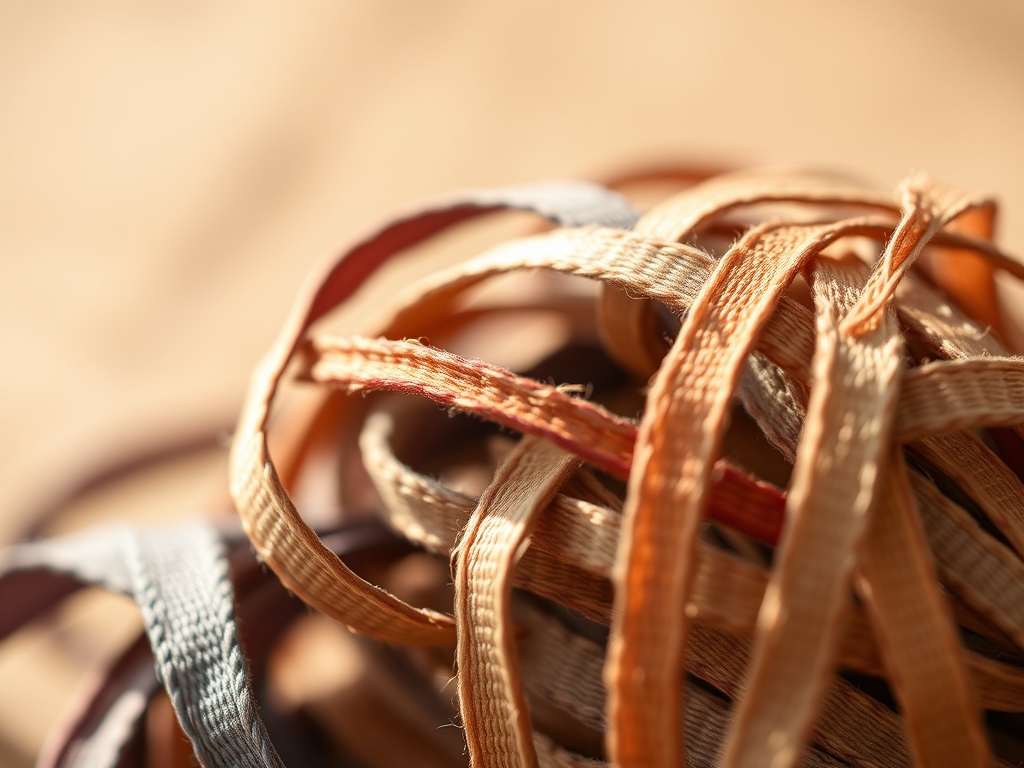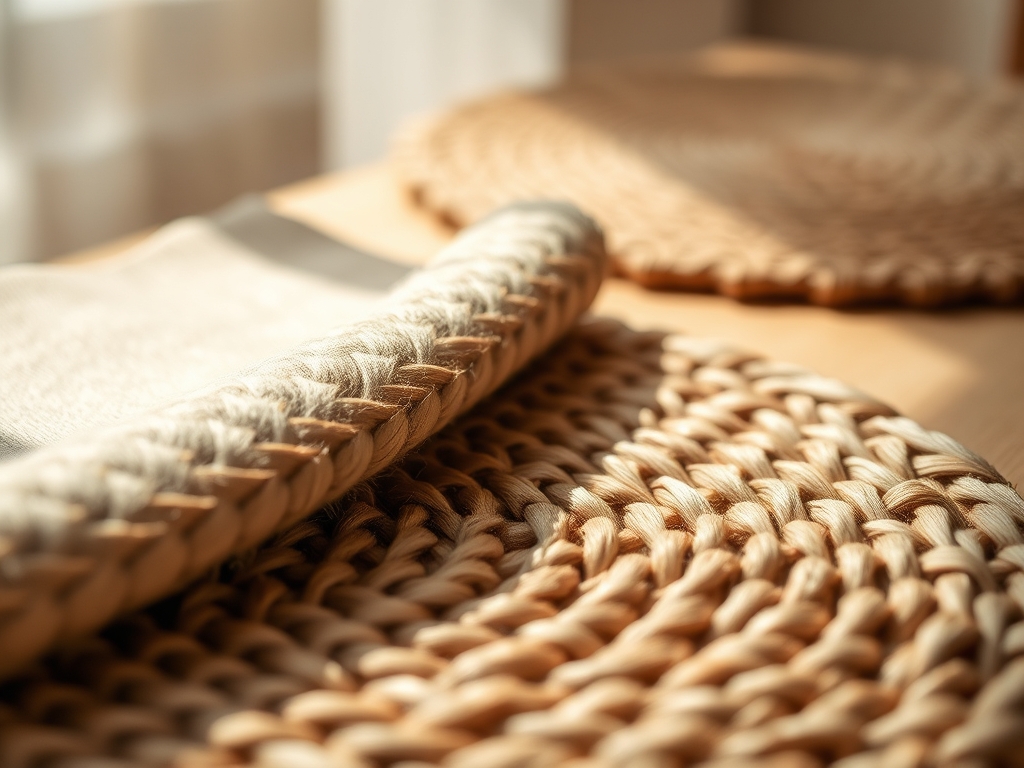
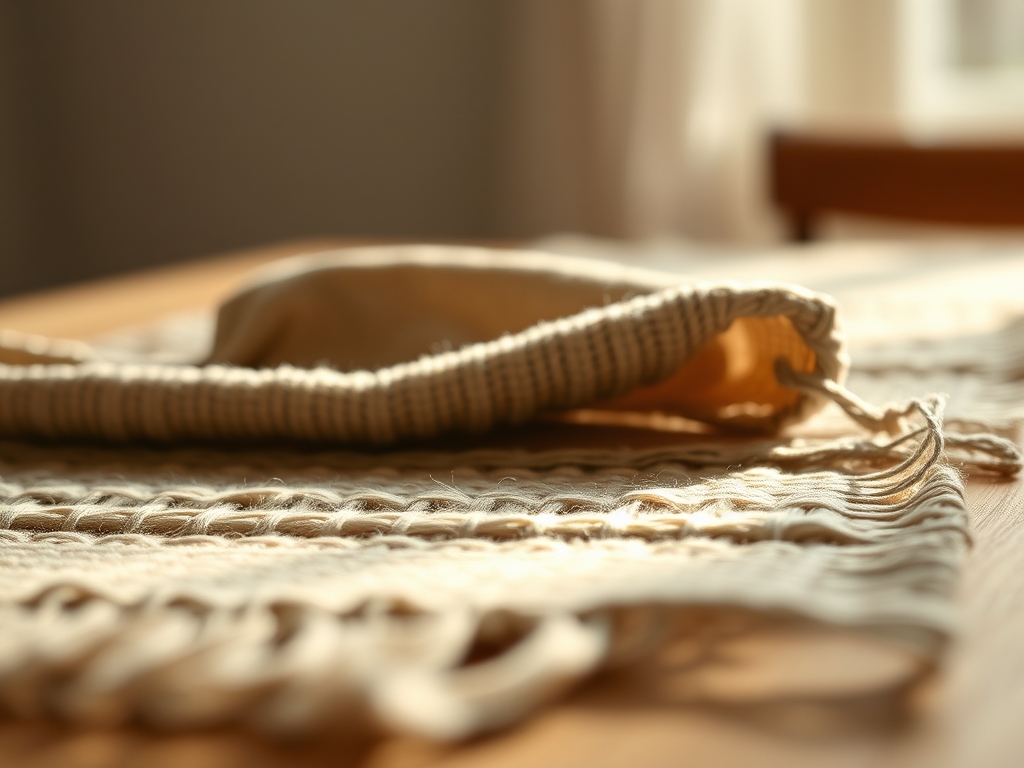
Close your eyes and feel the friction of raw flax sliding between your thumb and forefinger. There is a specific, grounding magic in the structural integrity of Woven Table Runners that turns a simple meal into a curated experience. We are not just talking about decor; we are talking about the intersection of high-tensile fiber science and the warm, organic aesthetic of a rustic landscape. When you lay down a runner, you are essentially creating a textile backbone for your table. The tactile resistance of the weave, the way the light catches the microscopic scales on a wool fiber, and the heavy drape of high-gauge linen all contribute to a sensory baseline. We are going for that perfect, lived-in luxury that feels like a high-end studio but smells like cedar and sourdough. Grab your coffee, because we are about to dive deep into the physics of the loom and the five specific earthy tones that will transform your dining space into a masterpiece of texture and tone.
THE STUDIO KIT
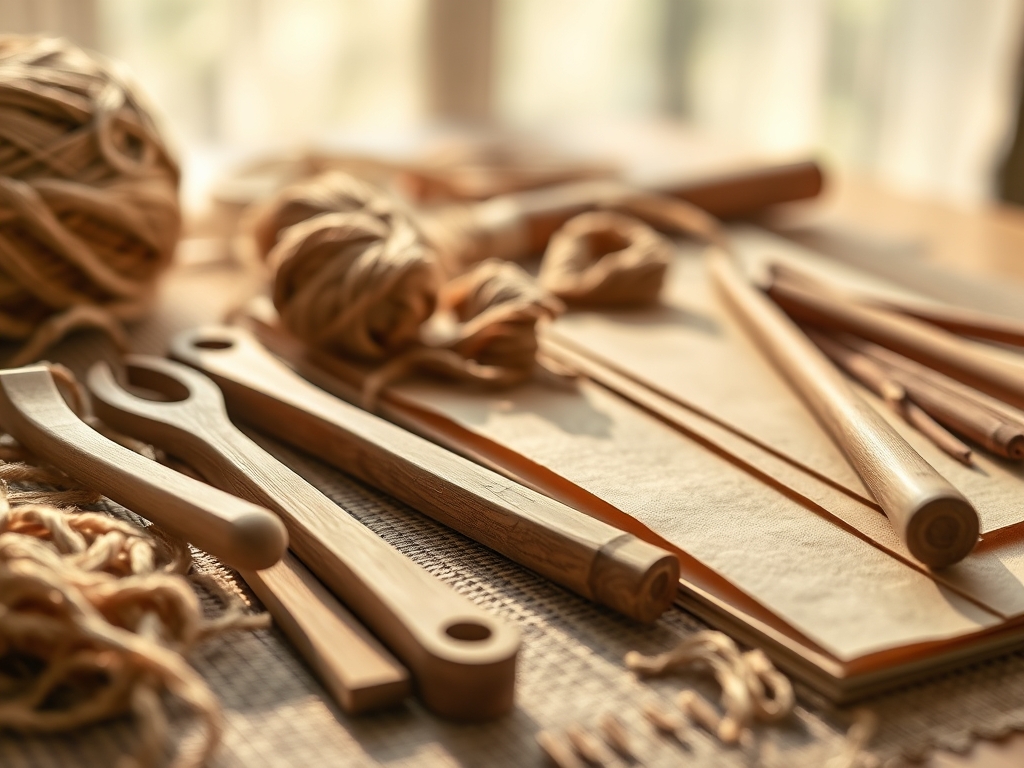
THE STUDIO KIT
To execute a professional-grade textile project, you need more than just yarn; you need to understand the tensile strength of your warp and the ply count of your weft. For these earthy runners, we prioritize natural fibers with high durability. You will need a rotary cutter for precision edge finishing and a stainless steel ruler to maintain a consistent width across the entire length of the piece. A bone folder is surprisingly essential here for burnishing the edges of heavier linen blends to ensure they lay flat against the wood grain.
Material Substitutions: If you cannot source high-grade Belgian linen, look for a hemp-cotton blend. Hemp offers incredible structural longevity and a higher porosity, which allows it to take on natural dyes with more depth. For a softer hand-feel without sacrificing the rustic look, a merino-silk blend in the weft can mimic the sheen of damp earth while maintaining the gauge required for a functional tabletop accessory. Always check your fiber density; a loose weave will snag on silverware, while a tight, high-density weave provides the necessary thermal protection for your table surface.
THE TEMPO
The "Maker's Rhythm" is a psychological state where the repetitive motion of the shuttle aligns with your own heart rate. For a standard six-foot runner, expect a total production time of approximately ten to twelve hours. The warping phase is the most technically demanding, requiring about three hours of intense focus to ensure the tension is uniform across all threads. If your tension varies by even a few grams, the runner will "smile" or curve once it is removed from the loom.
The weaving itself follows a steady tempo. Once you establish the shed (the space between warp threads), the movement becomes fluid. I recommend working in ninety-minute blocks. This prevents physical fatigue in your shoulders and ensures that your beat—the force used to push the weft thread into place—remains consistent. Consistency in the beat is the difference between a runner that looks artisanal and one that looks amateur; it dictates the picks per inch (PPI), which is the ultimate metric of textile quality.
THE CORE METHOD
1. Selecting the Earthy Palette
We begin by selecting five tones that mimic the natural world: Raw Umber, Moss Gall, Weathered Slate, Toasted Rye, and Dusty Terracotta. Technically, we are looking for dyes that exhibit chromatic depth. Use a colorimeter or a high-quality swatch book to ensure these tones have a neutral or warm base. Avoid synthetic-looking vibrance; we want colors that look like they were pulled directly from a riverbed.
2. Setting the Warp Tension
Secure your warp threads to the loom using a clove hitch knot for maximum stability. Mastery Tip: The science of Hooke's Law applies here; the stress you apply to the fiber should stay within its elastic limit. If you over-tension, the fibers will lose their "bounce" and the finished runner will feel brittle. Use a tension gauge to ensure every thread is pulled to exactly the same resistance.
3. Executing the Plain Weave
The over-under pattern of a plain weave is the strongest structural configuration for Woven Table Runners. As you pass the shuttle through, maintain a 45-degree angle before beating the thread home. Mastery Tip: This angle prevents selvage draw-in, where the edges of the fabric pull inward. By leaving enough slack in the weft, you allow the fiber to wrap around the warp without pulling the structural boundaries of the piece.
4. Managing the Selvage Edges
The edges of your runner are the first place people will see flaws. Use an awl to gently nudge any misplaced threads back into alignment. Mastery Tip: The capillary action of the fibers means that any moisture on your hands can affect the weave. Keep your hands dry and use a light touch to ensure the edges remain perfectly parallel. A clean selvage is a sign of a master weaver who understands lateral stability.
5. The Final Wet Finish
Once off the loom, soak the runner in lukewarm water. This is called "fulling." Mastery Tip: This process allows the fibers to relax and "bloom," filling in the microscopic gaps in the weave. The surface tension of the water helps the fibers settle into their permanent positions. This step increases the dimensional stability of the fabric, ensuring it won't shrink or warp during future washes.
THE TECHNICAL LEDGER
Maintenance & Longevity: Natural fiber runners should be spot-cleaned whenever possible to preserve the integrity of the weave. If a full wash is required, use a pH-neutral detergent to prevent the breakdown of natural proteins in wool or cellulose in linen. Lay flat to dry; hanging can cause gravitational distortion of the fibers.
Material Variations: For a premium upgrade, integrate tussah silk into the weft for a subtle, organic luster. If sustainability is your priority, recycled sari silk or upcycled denim strips can create a stunning, high-texture rustic look while reducing environmental impact.
The Correction:
- The Gap: If you see a hole, your beat was too light. Use a blunt needle to manually adjust the PPI in that section.
- The Wave: If the edges are wavy, your warp tension was uneven. You must "wet block" the piece with heavy weights to reset the fiber memory.
- The Snag: If a thread breaks, use a weaver's knot to join a new strand; this knot is small enough to disappear into the grain of the fabric.
Studio Organization: Store your materials in acid-free tissue paper inside breathable cotton bags. Avoid plastic bins, which can trap moisture and lead to microbial degradation or "foxing" on natural fibers. Use a hygrometer to keep your studio at 40-50% humidity for optimal fiber health.
THE FINAL REVEAL
There is nothing quite like the moment you drape a freshly finished runner across a reclaimed wood table. The way the Raw Umber picks up the knots in the oak, or how the Moss Gall settles against the white of the porcelain, is pure design chemistry. These Woven Table Runners aren't just accessories; they are the heavy-duty, high-texture foundation of a home that values the "slow-made" movement. You have successfully balanced the physics of tension with the artistry of color. Now, light some beeswax candles, pour the wine, and let the tactile beauty of your work spark the conversation.
STUDIO QUESTIONS
What is the best fiber for a rustic runner?
Linen or hemp is ideal due to high tensile strength and a naturally irregular texture. These fibers provide the "slubby" look essential for rustic aesthetics while remaining incredibly durable for daily use on a dining surface.
How do I prevent the edges from curling?
Ensure your warp tension is perfectly uniform and use a bone folder to crisp the edges after the first wash. This "sets" the fiber memory and ensures the runner maintains its flat, rectangular geometry over time.
Can I mix different yarn weights?
Yes, but you must account for differential shrinkage. If you mix a shrink-prone wool with a stable cotton, the runner may pucker. Always pre-wash your yarns or stick to fibers with similar elasticity coefficients.
How do I clean a wine spill on linen?
Immediately blot with a damp cloth to utilize capillary action to pull the liquid out. Avoid rubbing, which can abrade the fibers. Use a mixture of club soda and salt to neutralize the acidity of the wine.