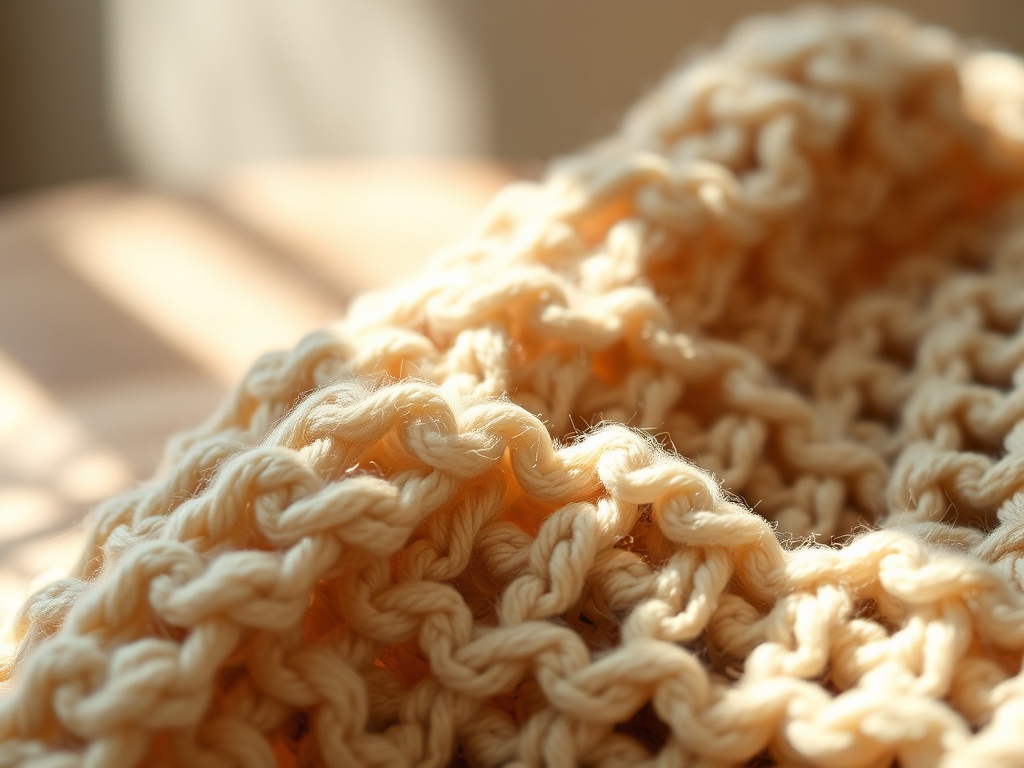
Grab your favorite mug and clear some space on the workbench because we are diving deep into the tactile world of soft cotton crochet today. There is a specific, almost electric thrill that comes from pulling a fresh skein of high-grade mercerized thread through your fingers. It feels cool, dense, and remarkably smooth. Unlike scratchy wools or slippery synthetics, Soft Cotton Crochet offers a unique structural integrity that allows for crisp stitch definition while maintaining a drape that feels like liquid silk. We are not just making coasters; we are engineering lace. When you hold a vintage-inspired doily, you are feeling the result of thousands of interlocking loops working in tension to create a stable, geometric masterpiece. The scent of clean fiber and the rhythmic click of a steel hook against a glass tabletop create the ultimate maker's sanctuary. We are going to harness that energy to recreate nine stunning patterns that bridge the gap between Victorian elegance and modern structural physics.
THE STUDIO KIT
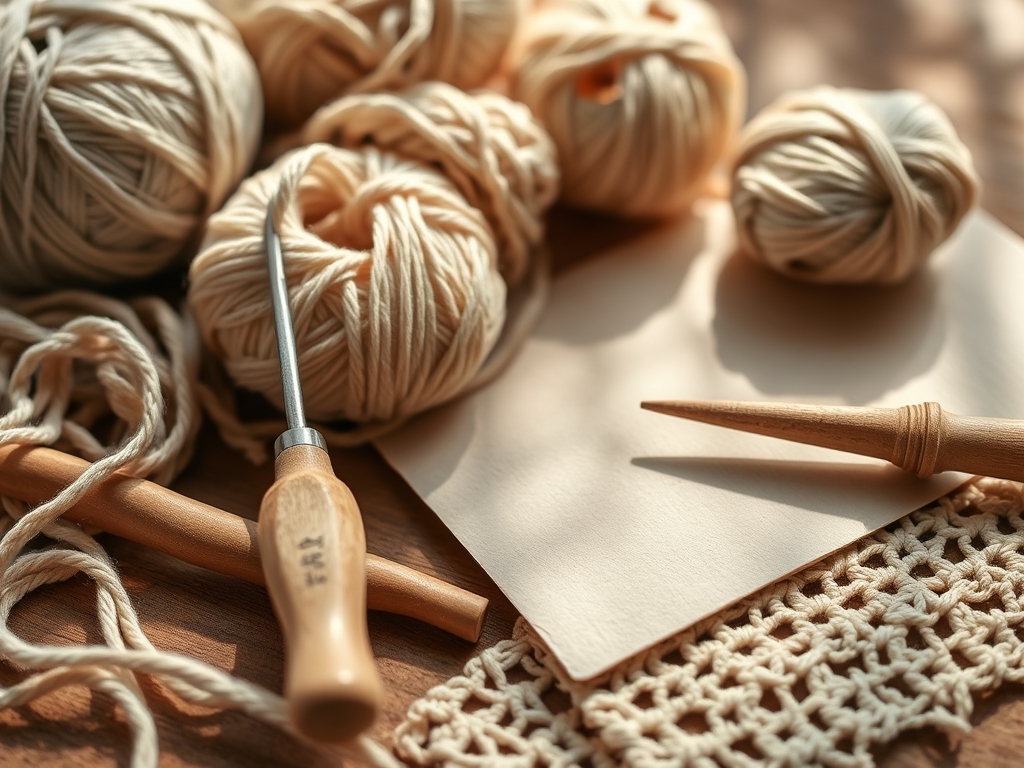
To achieve professional results, your toolkit must be as precise as a jeweler's bench. We start with the fiber itself. For these patterns, you want a long-staple cotton thread, typically a size 10 or 20. Long-staple fibers have fewer ends protruding from the strand, which significantly reduces "pilling" and increases the tensile strength of your finished piece. You will also need a range of steel crochet hooks, specifically sizes 1.5mm to 2.25mm. I highly recommend using ergonomic hooks with elastomer grips to prevent carpal fatigue during long sessions.
Beyond the hook, keep a pair of high-carbon steel embroidery scissors for clean snips that do not fray the ply. A set of digital calipers is surprisingly useful for checking your gauge consistently across a large table runner. For the finishing stage, you will need rust-proof T-pins and a blocking board. Material Substitutions: If you cannot find traditional mercerized cotton, look for bamboo-cotton blends. Bamboo adds a high degree of porosity, which helps the doily absorb blocking stiffeners more evenly, though it has slightly more "creep" (permanent deformation under load) than pure cotton.
THE TEMPO
Crafting these intricate pieces is an exercise in Maker's Rhythm, a psychological state where the repetitive motion of the hook aligns with your heart rate. A standard 12-inch doily typically requires about 10 to 15 hours of active "hook time." This is broken down into three distinct phases. Phase one is the Foundation Orbit, where you establish the center ring and the first five rounds; this requires high focus to ensure the stitch count is perfect. Phase two is the Expansion Flow, where the pattern repeats and you can settle into a faster cadence. Finally, phase three is the Picot Perimeter, a slow, meticulous finishing stage where you add the decorative outer loops. Understanding this tempo prevents burnout and ensures that your gauge remains consistent from the center to the edge.
THE CORE METHOD
1. The Magic Ring Foundation
Start by looping the thread around your finger to create a double-strand circle. This is superior to a chain-start because it allows you to pull the center tail and close the "eye" completely. Mastery Tip: The physics of the magic ring relies on friction-lock technology. By doubling the loop, you increase the surface area contact between the threads, ensuring the center never unravels under the weight of the expanding lace.
2. Establishing the Radial Ribs
As you work the first few rounds of double crochets, you are essentially building the "spokes" of a wheel. These stitches provide the structural framework for the entire piece. Ensure each stitch is seated firmly on the "neck" of the hook to maintain a uniform diameter. Mastery Tip: This step utilizes torsional balance. If your stitches are too tight, the doily will "bowl" or cup upward; if they are too loose, it will ripple like a lettuce leaf.
3. Executing the Pineapple Cluster
The "pineapple" is a staple of vintage patterns, created by a series of staggered chain spaces and shells. It creates a beautiful negative space contrast. Use your hook to maintain even tension on the "bridge" chains. Mastery Tip: This relies on triangulation. Each cluster acts as a load-bearing pillar that distributes the tension of the surrounding mesh, preventing the cotton from sagging over time.
4. The Picot Edge and Tension Lock
The final round often involves picots—small loops of three chains closed with a slip stitch. This is where you "lock" the edges of the fabric. Use a smaller hook for this round to increase the density of the stitches. Mastery Tip: Picots provide edge stability through localized compression. They act as tiny anchors that hold the shape of the lace when it is pinned out on the blocking board.
5. Wet Blocking and Fiber Memory
Once the crochet is finished, submerge it in lukewarm water with a bit of mild detergent. Gently squeeze—do not wring—and pin it to your blocking board. Mastery Tip: This process exploits capillary action to saturate the fiber core. As the water evaporates, the hydrogen bonds in the cotton cellulose reform in the new, stretched position, effectively "setting" the pattern into the fiber's memory.
THE TECHNICAL LEDGER
Maintenance & Longevity: To keep your soft cotton crochet in heirloom condition, avoid acidic environments. Store pieces flat between sheets of acid-free tissue paper. If the doily becomes yellowed, a gentle soak in a sodium perborate solution (oxygen bleach) will restore the brightness without degrading the tensile strength of the cellulose.
Material Variations:
- Sustainable: Organic cotton grown without pesticides offers a softer "hand" but may have more natural oils.
- Recycled: High-quality recycled cotton is excellent for runners but check for consistent ply twist.
- Premium: Giza cotton from Egypt provides the longest fibers and the highest natural luster.
The Correction:
- The Ruffle: If the edge ripples, you have too many stitches. Fix: Frog back and decrease the hook size by 0.25mm.
- The Gap: Large holes between stitches usually mean your tension is inconsistent. Fix: Use a "knife grip" instead of a "pencil grip" for better leverage.
- The Twist: If the doily spirals, your stitches are leaning. Fix: Ensure you are inserting the hook under both loops of the "V" to maintain vertical alignment.
Studio Organization: Store your thread in airtight bins with silica gel packets. Moisture is the enemy of cotton; it can lead to mildew and "foxing" (brown spots). Use a rotary cutter and a self-healing mat to trim any loose ends perfectly flush with the fabric surface.
THE FINAL REVEAL
There is nothing quite like the moment you unpin a dry doily from the board. It transforms from a limp, crumpled mass of string into a crisp, architectural wonder. The Soft Cotton Crochet catches the light, casting intricate shadows across your tabletop that shift as the sun moves. Whether you are draping a long, lace runner over a dark mahogany table or placing a delicate starburst doily under a vintage lamp, the effect is transformative. You have successfully merged the laws of physics with the art of the hook. Your finished piece is not just a decoration; it is a testament to your precision, patience, and mastery of fiber science.
STUDIO QUESTIONS
How do I prevent my cotton thread from splitting?
Splitting occurs when the hook tip catches individual plies. Use a hook with a tapered throat rather than an inline head. This allows the fiber to slide smoothly over the tool without snagging the delicate cotton strands.
What is the best way to join a new ball of thread?
Avoid bulky knots. Use a Russian Join or weave the ends in opposite directions for at least two inches. This maintains the linear density of the thread and ensures the join is invisible even in open lace patterns.
Can I starch my doilies for extra stiffness?
Yes, but use a professional-grade fabric stiffener or a traditional cornstarch solution. Starching increases the structural rigidity of the piece, allowing it to hold complex shapes, though it may require re-application after washing.
Why does my gauge change halfway through a project?
Gauge shifts are usually caused by changes in hand tension due to fatigue. Use calipers to check your stitch width every five rounds. If you notice a deviation, take a break to reset your "muscle memory."
Is mercerized cotton better than unmercerized?
Mercerized cotton undergoes a caustic soda treatment that swells the fibers, increasing luster and dye affinity. It is significantly stronger and less prone to shrinkage, making it the gold standard for intricate, long-lasting crochet projects.