

Imagine the weight of a cool, silk slab pressing against your orbital bone; it is the physical manifestation of a deep exhale. We are not just tossing dried flowers into a bag today. We are engineering a sensory blackout tool. When you handle high quality Lavender Eye Pillows, you are interacting with a calculated balance of mass and aroma. The drape of the fabric must conform to the bridge of your nose without leaking light, while the internal fill provides enough gentle pressure to trigger the vagus nerve. This is the science of relaxation. We are looking for that sweet spot where gravity meets botany. If the grain of your fabric is off by even a few degrees, the pillow will twist instead of resting flat. We want a perfectly calibrated weight that signals your nervous system to downshift from a high frequency buzz into a low delta wave hum. Grab your shears and clear your workbench; we are about to construct the ultimate sleep catalyst.
THE STUDIO KIT
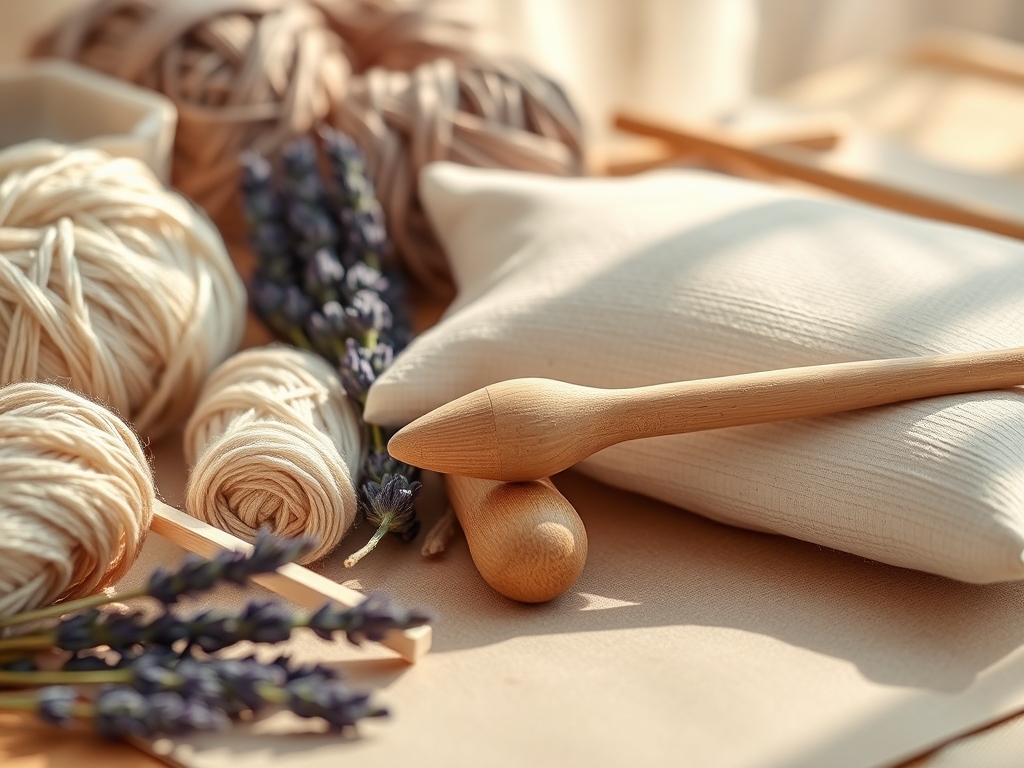
To build a professional grade sleep aid, your inventory must prioritize breathability and density. Start with your textile: a high thread count silk charmeeuse or a dense linen with a tight weave density. Linen is particularly effective because its porous nature allows for maximum scent diffusion while maintaining high tensile strength. You will need a rotary cutter and a self healing mat to ensure your edges are perfectly perpendicular; the geometry of the rectangle is vital for even weight distribution.
For the fill, we use organic flaxseeds. Unlike rice, flaxseeds have a high oil content which allows them to retain heat or cold more efficiently. You will also need a tailor's chalk for marking, a funnel for precise filling, and a fine gauge needle (size 70/10) to prevent piercing the delicate fibers of the silk.
Material Substitutions: If silk is unavailable, use a high quality pima cotton. Avoid synthetics like polyester, as they lack the capillary action required to wick moisture away from the skin, which can lead to heat buildup and discomfort during the REM cycle.
THE TEMPO
The "Maker's Rhythm" for this project is divided into three distinct phases. First is the Preparation Phase (15 minutes), where you calibrate your tools and iron your textile to remove any structural memory from the bolts. Next is the Assembly Phase (20 minutes), which involves the precision stitching and the "burrito turn" of the fabric. Finally, the Infusion Phase (10 minutes) is where we blend our herbs and fill the casing.
Total active time is approximately 45 minutes. Do not rush the stitching. A slow, steady stitch per inch (SPI) of 12 to 14 ensures that the flaxseeds cannot migrate through the seams over time. The rhythm should be methodical; think of it as a moving meditation before the actual sleep begins.
THE CORE METHOD
1. Precision Geometry and Cutting
Measure a rectangle exactly 9 inches by 10 inches using your acrylic ruler. This allows for a half inch seam allowance on all sides, resulting in a finished 4 inch by 9 inch pillow. Use your rotary cutter with a fresh blade to ensure the edges do not fray.
Mastery Tip: Always cut along the warp and weft of the fabric. If you cut on the bias, the pillow will stretch diagonally when filled, losing its ergonomic shape and causing uneven pressure on the ocular region.
2. The Structural Seam
Fold the fabric right sides together so it measures 4.5 inches by 10 inches. Stitch around three sides, leaving one short end open. Use a backstitch at the beginning and end of every seam to lock the thread in place.
Mastery Tip: Use a bone folder to crisp the seams before turning the fabric right side out. This flattens the seam allowance and increases the internal volume, ensuring the flaxseeds can shift freely without getting caught in fabric folds.
3. The Botanical Calibration
In a glass bowl, mix 1 cup of flaxseeds with your chosen herb blend. We are looking for a 4:1 ratio of fill to fragrance. Choose from these 7 calming herbs: Lavender (for linalool production), Chamomile (apigenin for sedation), Peppermint (menthol for sinus relief), Mugwort (for vivid dreaming), Rose Petals (for gentle weight), Lemon Balm (to reduce cortisol), or Valerian Root (for heavy sedation).
Mastery Tip: The hygroscopic nature of dried herbs means they can absorb ambient moisture. Ensure your herbs are "bone dry" to prevent mold growth within the pillow's microclimate.
4. The Volumetric Fill
Insert your funnel into the open end of the pillow. Pour the mixture in until the pillow is roughly 75 percent full. It should feel like a soft beanbag, not a firm log. It needs enough "dead space" to contour to the unique topography of your face.
Mastery Tip: Overfilling creates a convex surface that will roll off your eyes. By leaving 25 percent air space, you allow for fluid dynamics within the seeds, letting them pool in the hollows of your temples.
5. The Invisible Closure
Fold the raw edges of the open end inward by half an inch. Use a ladder stitch (or hidden stitch) to close the gap. This requires a steady hand and a sharp needle to catch only a few threads on each side.
Mastery Tip: Tension is key here. If you pull the thread too tight, the end will pucker. Maintain a consistent ply tension so the closure is as smooth as the machine stitched sides, preventing any tactile irritation against your skin.
THE TECHNICAL LEDGER
Maintenance & Longevity: Never submerge the entire pillow in water; the seeds will sprout or rot. Use a removable outer sleeve that can be laundered. To refresh the scent, gently squeeze the pillow to crush the dried herbs and release their essential oils.
Material Variations: For a premium version, use weighted glass beads mixed with the flax for a heavier "deep pressure therapy" effect. For a sustainable approach, use upcycled hemp linen which has natural antimicrobial properties.
The Correction:
- Leaking Seeds: If seeds escape, your stitch length was too wide. Fix by overcasting the seam with a tight zigzag stitch.
- Lumpy Texture: This happens if the herbs are not finely ground. Pulse large botanicals in a clean spice grinder for three seconds.
- Scent Decay: If the aroma fades, use a hypodermic needle to inject two drops of essential oil into the center of the fill.
Studio Organization: Store your finished Lavender Eye Pillows in an airtight glass jar or a heavy duty Ziploc bag when not in use. This prevents the volatile organic compounds (the scent) from evaporating into the room.
THE FINAL REVEAL
Look at that gorgeous, shimmering finish! You have successfully engineered a piece of functional art. The weight is perfectly balanced, the seams are crisp, and the scent profile is sophisticated. When you lay this across your eyes, the tactile feedback tells your brain that the day is officially over. It is sleek, it is heavy, and it is scientifically designed to knock you out. You didn't just make a pillow; you built a sleep machine.
STUDIO QUESTIONS
Which herb is best for anxiety?
Lavender is the gold standard because it contains linalool. This compound interacts with the neurotransmitter GABA to quiet the brain and reduce sympathetic nervous system activity, effectively lowering your heart rate and preparing the body for deep, restorative rest.
How do I heat my eye pillow safely?
Microwave the pillow in 30 second intervals for no more than 90 seconds total. Always place a small cup of water inside to maintain moisture equilibrium and prevent the flaxseeds from scorching or losing their internal oil integrity.
Can I use rice instead of flaxseed?
You can, but rice lacks the oil content of flax. Rice is a starchy grain that loses heat rapidly and can develop a "food-like" smell over time. Flaxseeds provide a smoother, more fluid drape against the facial contours.
How long will the scent last?
With proper storage in an airtight container, the botanical scent should remain potent for 6 to 12 months. Gently massaging the pillow before each use breaks the herb cell walls, releasing a fresh burst of aromatic compounds.
What is the ideal weight for an eye pillow?
A weight between 8 and 12 ounces is ideal. This range provides enough proprioceptive input to encourage the eyes to stay still and the facial muscles to relax without causing uncomfortable pressure on the delicate capillaries around the eyelids.