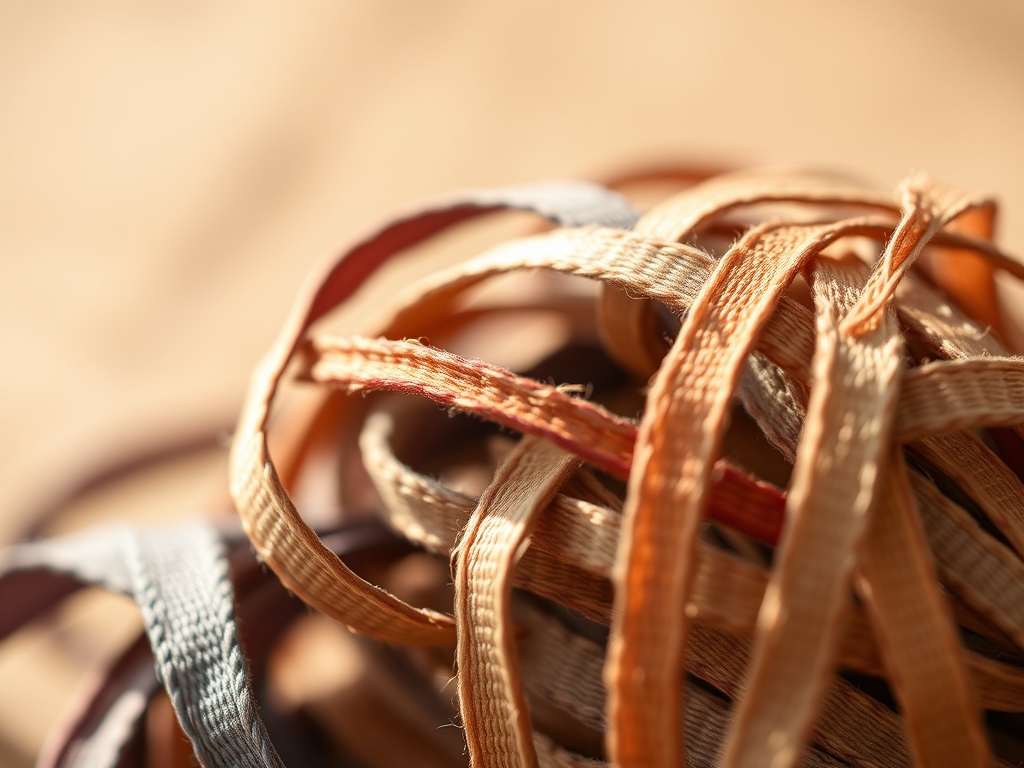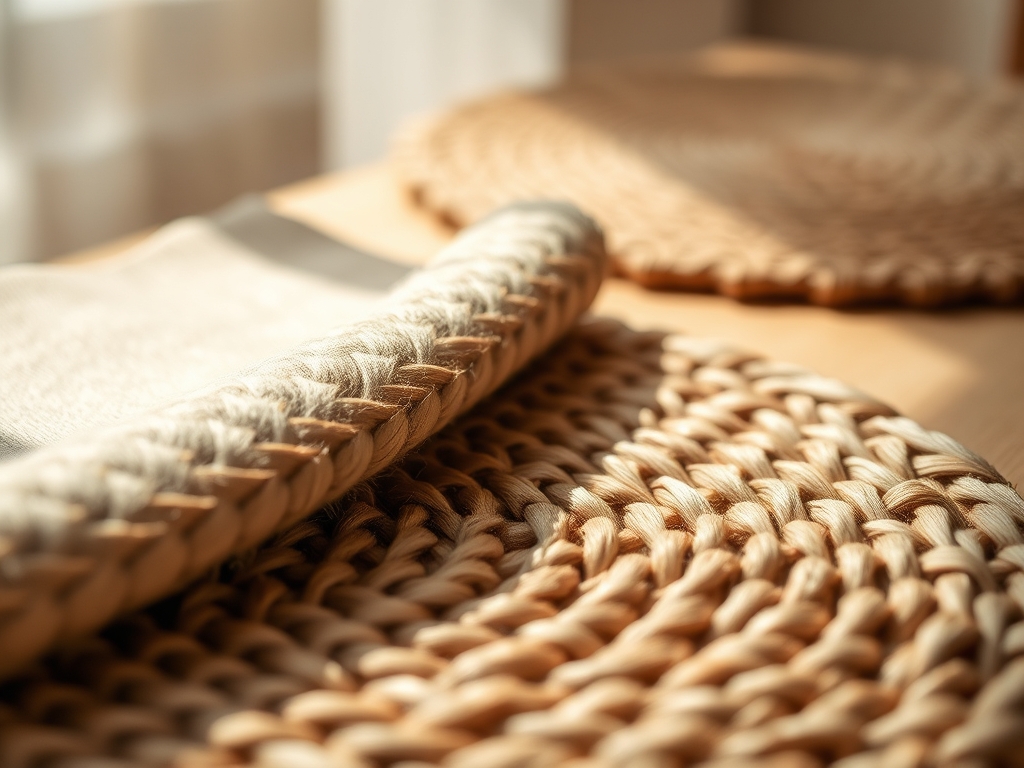
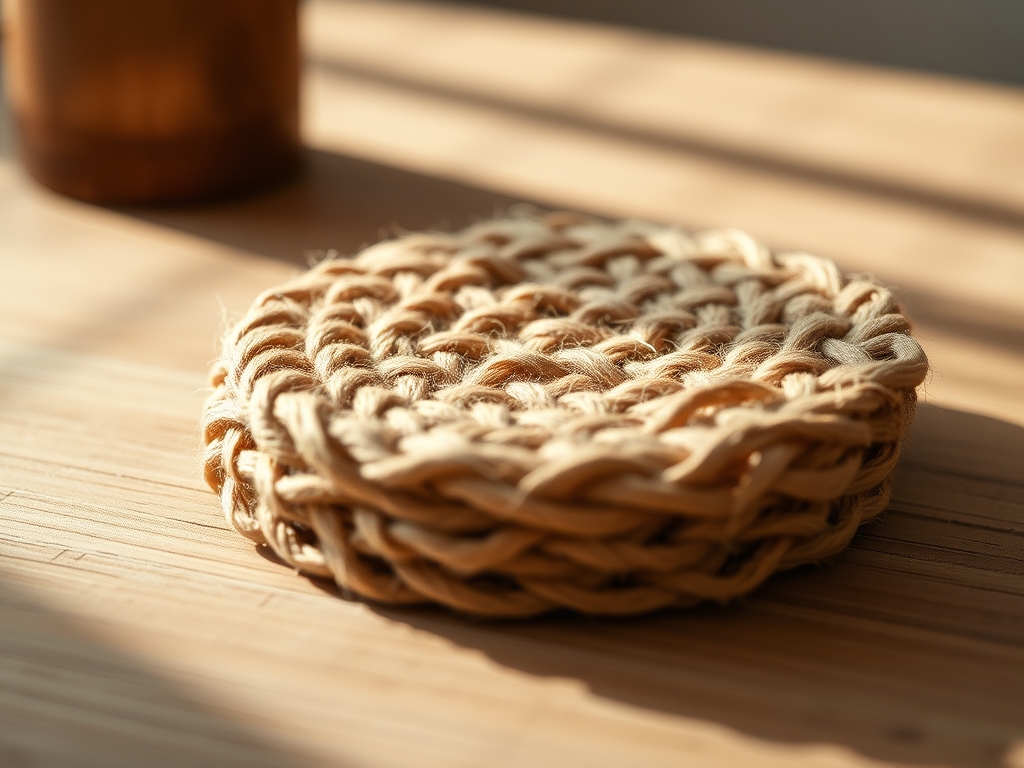
Close your eyes and imagine the scratchy, earthy scent of raw fibers filling your creative space. There is a specific, grounded magic in the way a spool of twine feels against your palm; it is a mixture of rugged resistance and untapped potential. When we talk about Woven Hemp Coasters, we are not just making a landing pad for your morning coffee. We are engineering a functional barrier that utilizes the incredible tensile strength of Cannabis sativa fibers to safeguard your walnut surfaces from thermal shock and moisture rings. Hemp is a powerhouse of a material because its long, bast fibers are naturally resistant to decay and mold. As you run your fingers over the cord, you can feel the slight irregularities in the ply, a tactile reminder that this material is as ancient as it is durable. Today, we are going to harness that raw energy to create eight distinct rustic designs that blend high-end studio aesthetics with hardcore physics. Grab your favorite mug; we are about to turn a simple spool of cord into a masterclass in structural weaving.
THE STUDIO KIT
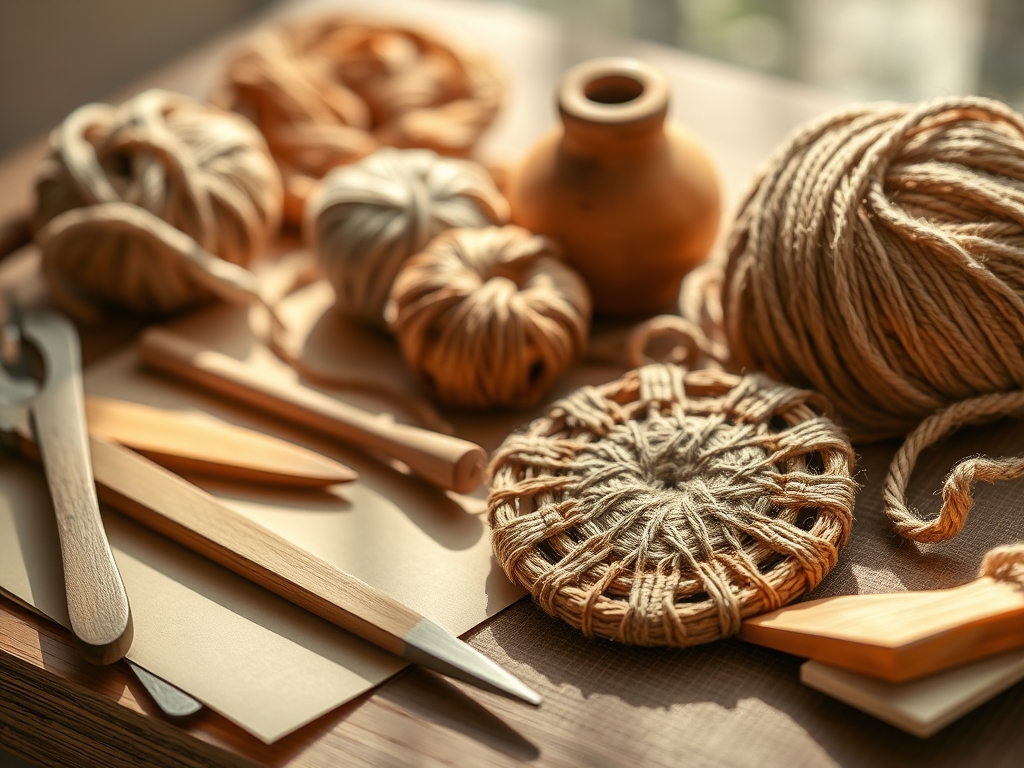
To achieve professional results, you need more than just a ball of string. We are looking for a 3mm or 4mm hemp cord with a tight twist to ensure your coasters do not lose their shape under the weight of a heavy ceramic mug. You will also need a cork workboard and T-pins to maintain your tension during the weaving process. A sharp pair of heavy duty shears is non-negotiable for clean cuts, but I also recommend a bone folder for flattening your knots and ensuring the finished piece sits flush on the table. For the finer details, a large-eye tapestry needle will help you weave in your ends so they disappear into the grain of the piece.
If you cannot find high-quality hemp, your best Material Substitutions are jute or sisal. Jute is softer but has a lower tensile strength, meaning it might stretch over time. Sisal is incredibly durable but very abrasive on the hands; if you go that route, keep a tin of beeswax nearby to coat the fibers. For a premium upgrade, look for polished hemp cord, which has been treated with a starch or wax finish to reduce shedding and increase the lumen of the fiber, giving it a subtle, sophisticated sheen.
THE TEMPO
Every maker has a unique Maker's Rhythm, a flow state where the hands move faster than the conscious mind. For these Woven Hemp Coasters, expect a Prep Phase of about 10 minutes per set to measure and cut your lengths. The Execution Phase takes roughly 20 to 30 minutes per coaster depending on the complexity of the weave. Finally, the Finishing Phase requires 5 minutes to tuck ends and burnish the surface. If you are Batching your production, you can cut your total time by 15 percent by prepping all your cords at once using a rotary cutter and a self-healing mat for precision.
THE CORE METHOD
1. The Radial Foundation
Start by creating a central loop and securing it to your cork board. This serves as the anchor for your warp and weft. By establishing a solid center, you ensure that the centrifugal force of the weave stays balanced.
Mastery Tip: This step relies on structural integrity. If your center is loose, the coaster will "bowl" or cup upward. Keep your initial knots tight to ensure the base remains perfectly planar.
2. The Spiral Over-Under
Using a continuous strand, weave in a clockwise direction, alternating over and under each radial spoke. This is the most common method for Woven Hemp Coasters because it creates a dense, porous surface that traps condensation before it can reach the wood.
Mastery Tip: Use your bone folder to pack the rows tightly together. This increases the fiber density, which improves the thermal insulation properties of the coaster.
3. The Square Knot Lattice
For a more geometric, rustic look, use a series of flat square knots. This design creates a thicker profile, which is excellent for protecting delicate finishes from high-heat vessels like cast iron teapots.
Mastery Tip: Watch your gauge. Consistent pressure is required to keep the knots uniform. If you pull too hard on one side, the hemp's elastic modulus will cause the coaster to warp into an oval.
4. The Double Half-Hitch Border
To finish the edges, use a double half-hitch. This creates a raised "rim" that acts as a physical barrier for any spills, utilizing surface tension to keep liquid contained on the coaster surface.
Mastery Tip: This technique increases the lateral stability of the piece. It prevents the edges from fraying or unraveling during heavy daily use.
5. The Fringed Perimeter
If you want that ultra-rustic vibe, leave the ends long and brush them out with a fine-tooth comb. This creates a soft, feathered edge that contrasts beautifully with the rugged center.
Mastery Tip: Brushing the hemp separates the individual filaments. This increases the surface area, allowing the coaster to air-dry faster through capillary action.
6. The Twinned Weave
Incorporate two different colors or thicknesses of hemp to create a "twining" effect. This adds visual depth and structural thickness without adding significant weight.
Mastery Tip: When mixing fibers, ensure they have similar hygroscopic properties. If one fiber absorbs water faster than the other, the coaster may twist when wet.
7. The Coiled Core
Instead of weaving, you can coil the hemp and stitch it together using a hidden "blanket stitch." This results in a very stiff, durable disk that feels almost like wood.
Mastery Tip: This method maximizes the compressive strength of the hemp. It is the best choice for heavy glassware or stone mugs.
8. The Interlocking Ring
Create several small woven rings and join them together in a honeycomb pattern. This design is visually stunning and allows for maximum airflow beneath the mug.
Mastery Tip: The gaps in the honeycomb design prevent vacuum suction between the mug and the coaster, ensuring your drink does not "stick" when you lift it.
THE TECHNICAL LEDGER
Maintenance & Longevity: Hemp is naturally antimicrobial, but it still needs care. To clean your Woven Hemp Coasters, spot clean with a damp cloth and a mild detergent. Avoid soaking them in water, as this can cause the fibers to swell and distort the weave geometry. If they become misshapen, steam them lightly and press them under a heavy book to reset their flat profile.
Material Variations: For a sustainable twist, look for recycled hemp cord made from post-industrial scraps. If you want a luxury feel, "Hungarian Hemp" is known for its long fibers and incredible softness. You can also dip the finished coasters in a diluted fabric stiffener to increase their rigidity for a more permanent, tray-like feel.
The Correction:
- The Curl: If your coaster curls up, your tension is too tight. Fix this by steaming the piece and manually stretching the fibers outward.
- The Gap: If you see light through the weave, your rows aren't packed. Use an awl to push the fibers together and fill the void.
- The Fray: If the ends are popping out, use a tiny drop of clear-drying glue on the back side to lock the fiber in place.
Studio Organization: Store your hemp in a cool, dry place away from direct sunlight. UV rays can degrade the lignin in the fibers, making them brittle over time. Use a dedicated bin to keep your cord from tangling; a simple pegboard with dowels is the gold standard for keeping your spools organized and ready for the next project.
THE FINAL REVEAL
Look at what you have built! These Woven Hemp Coasters are not just accessories; they are tiny masterpieces of fiber science. You have taken a raw, agricultural byproduct and transformed it into a sophisticated tool for home preservation. The way the light hits the ridges of the spiral weave and the earthy, substantial weight of the finished piece in your hand is incredibly satisfying. Your table is now shielded by a high-performance, sustainable barrier that looks like it belongs in a high-end boutique. You did that!
STUDIO QUESTIONS
Why is hemp better than cotton for coasters?
Hemp has significantly higher tensile strength and natural resistance to mold. Unlike cotton, it does not lose its structural integrity when wet; making it the superior choice for managing heavy condensation and long-term durability in a kitchen environment.
How do I stop my hemp from shedding?
Shedding is caused by short "staple" fibers breaking away. You can minimize this by burnishing the finished coaster with a bone folder or lightly coating the cord in beeswax before weaving to lay the microscopic fibers flat against the core.
Can I dye my hemp coasters?
Yes; however, hemp is highly porous and absorbs pigment quickly. Use reactive dyes for the most vibrant results. Always dye the cord before weaving to ensure even color saturation throughout the internal structure of the knots and overlaps.
What is the best way to seal the ends?
The most professional method is to weave the ends back into the body of the coaster using a tapestry needle. This uses friction to lock the fibers in place, maintaining a seamless look without the need for messy adhesives.
How long will these coasters last?
With proper care, a well-woven hemp coaster can last for decades. Hemp is one of the strongest natural fibers on Earth; its resistance to abrasion and rot ensures it will survive thousands of coffee cycles without degrading.