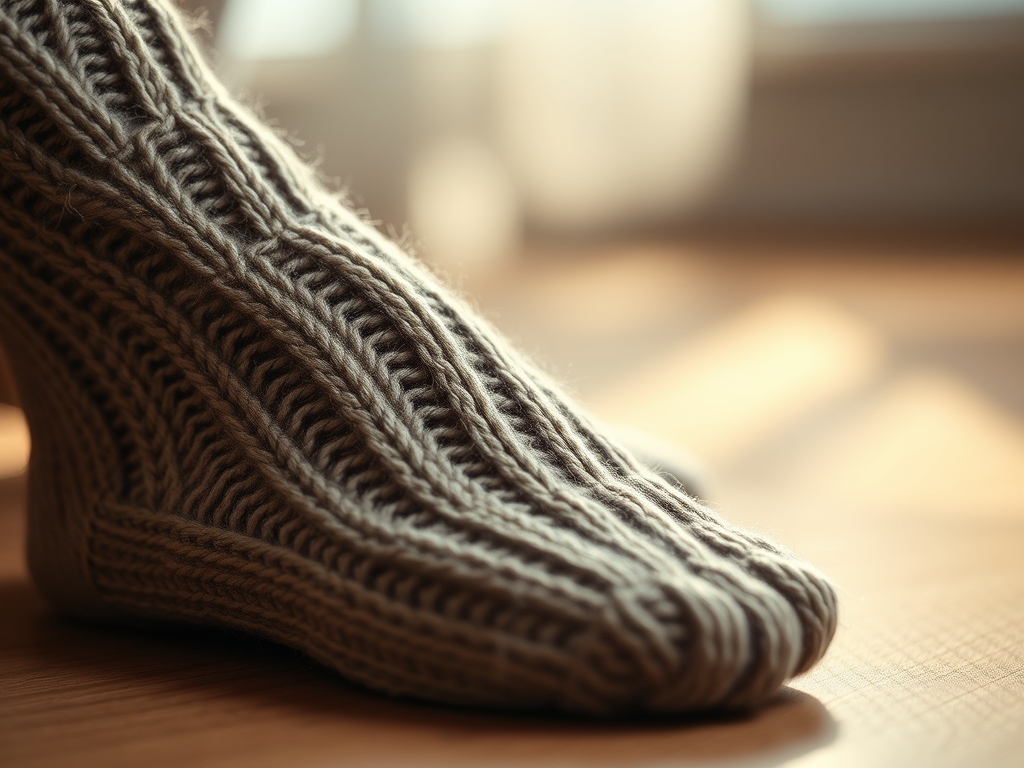
Grab your favorite mug and clear some desk space because we are diving deep into the structural engineering of the ultimate footwear. When you slide your foot into a pair of Hand Knit Wool Socks, you are not just wearing accessories; you are interacting with a high performance textile engine. The tactile sensation of crimped wool fibers against your skin is a result of thousands of years of evolution designed to manage moisture and thermal regulation. However, the heel is the absolute failure point of every sock ever made. It takes the brunt of your kinetic energy, enduring thousands of pounds of pressure and constant friction against the interior of your shoes. If you want your hard work to survive more than a single season, we have to talk about the physics of reinforcement. We are looking for high tensile strength and specific stitch density to ensure that your heels do not thin out and vanish. Today, we are mastering nine traditional heel constructions that turn a simple garment into a legacy piece.
THE STUDIO KIT
THE STUDIO KIT
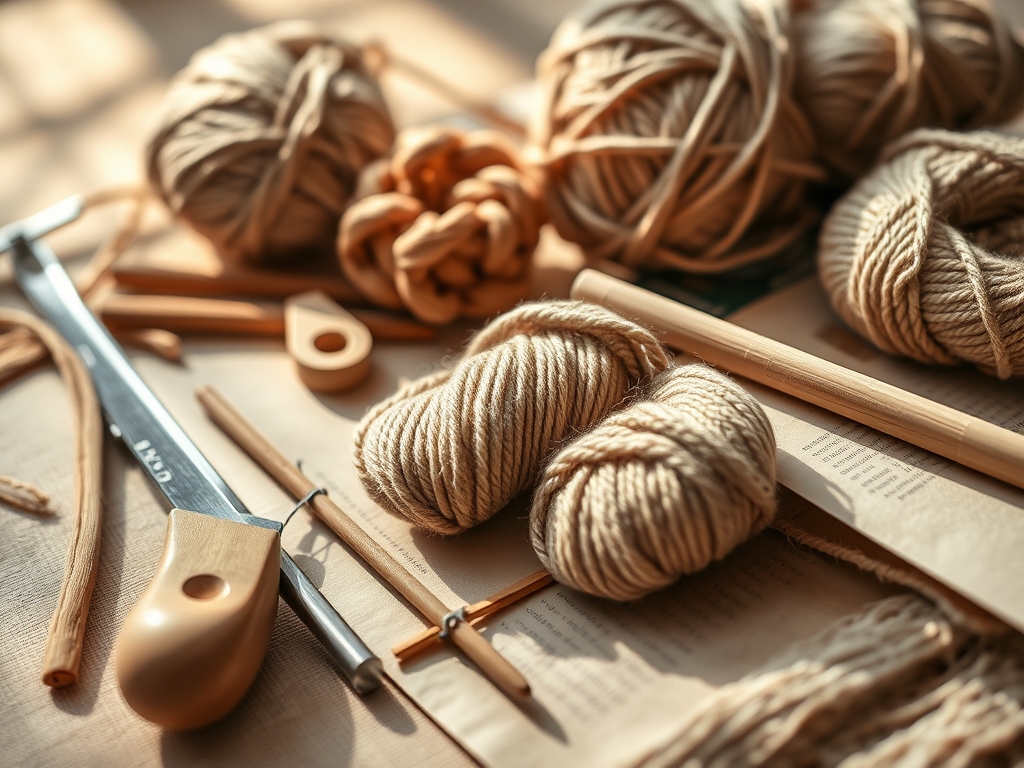
To engineer a heel that lasts, you need more than just yarn; you need a kit designed for precision. Start with a high quality wool blend. Pure merino is soft, but it lacks the tensile strength required for high friction areas. Look for a "sock yarn" that includes at least 20 percent nylon or polyamide. This synthetic core acts as a structural skeleton for the wool fibers. You will also need a set of stainless steel double pointed needles or a long circular needle for the magic loop method. Steel is superior to bamboo here because it allows for a faster "glide," reducing the risk of snagging the ply of your yarn.
Keep a pair of calipers or a precise sliding gauge nearby to measure your stitch density. For a heel that lasts, you want a dense fabric, usually around 8 to 10 stitches per inch. You should also have a sharp tapestry needle for the Kitchener stitch and a small bottle of wool wash to set the fibers once you finish. For material substitutions, if you are avoiding synthetics, consider a mohair carry along thread. Mohair has incredible surface tension and acts as a natural reinforcement without the use of plastics.
THE TEMPO
The maker's rhythm is all about managing the "turn." Knitting the leg of Hand Knit Wool Socks is a rhythmic, meditative process, but the heel requires a shift in cognitive load. Budget approximately two hours for the heel construction alone. This includes the flap, the turn, and the gusset pick up. The "flap" phase is the endurance run where you build the vertical wall of the heel. The "turn" is the surgical strike where you use short rows to create the 90 degree cup. Finally, the "gusset" is the stabilization phase where you reintegrate the heel into the foot. Do not rush the pick up phase; if you drop a stitch here, you create a structural "run" that will eventually lead to a hole.
THE CORE METHOD
1. The Reinforced Heel Flap
This is the gold standard for durability. You alternate knitting one stitch and slipping one stitch across the row. This creates a double thick fabric that mimics the density of a woven textile. By slipping stitches, you carry the yarn across the back, adding an extra layer of "padding" between your skin and your shoe.
Mastery Tip: The science here is ply displacement. By slipping every other stitch, you are essentially stacking the yarn, which increases the thickness of the fabric without increasing the bulk of the overall sock. This creates a sacrificial layer of wool that absorbs friction before it reaches the structural loops of the knit.
2. The Dutch or Square Heel
The Dutch heel features a flat bottom rather than a rounded one. It is constructed by working a heel flap and then decreasing at two specific points to create a square "cup" for the calcaneus bone. It is exceptionally comfortable for those with wider heels.
Mastery Tip: This method relies on geometric load distribution. By creating a flat base, the pressure of your step is distributed across a wider surface area of the fabric, preventing the "point loading" that often leads to holes in the center of more rounded heels.
3. The French or Round Heel
The French heel is the elegant cousin of the Dutch heel. It uses a series of centered decreases to create a gentle, continuous curve. It fits like a glove and is ideal for dressier Hand Knit Wool Socks that need to fit into tighter leather shoes.
Mastery Tip: This construction utilizes radial tension. The decreases pull the fabric inward from all sides equally, ensuring that the elasticity of the wool is utilized to its maximum potential, hugging the heel and preventing the sock from sliding down.
4. The Short Row Heel
This heel is worked back and forth over half the stitches, using "wraps" or "twin stitches" to prevent holes at the turning points. It does not require a gusset, making it the fastest heel to knit. It is often seen in commercial socks but is much sturdier when hand knit with high twist yarn.
Mastery Tip: The technical challenge here is capillary action prevention. If your wraps are too loose, you create "eyelets" or small holes. These gaps allow moisture to collect and fibers to rub together more aggressively, accelerating the felted degradation of the wool.
5. The Afterthought Heel
You knit the sock as a continuous tube and place a scrap of yarn where the heel should be. After the sock is finished, you cut the scrap yarn, pick up the live stitches, and knit the heel last. This is perfect for high wear users because the heel can be easily replaced without reknitting the whole sock.
Mastery Tip: This is a lesson in modular maintenance. By isolating the heel from the main structural body of the sock, you create a "replaceable part." When the heel eventually thins out, you can simply unravel it and knit a new one using the existing live stitches.
6. The Cat Bordhi Sky Architecture
This revolutionary method integrates the heel increases into the sole of the foot rather than the sides. It creates a seamless transition that follows the organic lines of the human foot. It is complex but provides an unparalleled ergonomic fit.
Mastery Tip: This method leverages anatomical mapping. By placing the increases along the lines of the foot's tendons, the fabric expands and contracts in sync with your movement, reducing the "shear stress" on the wool fibers.
7. The Fleegle Heel
Designed for toe up socks, the Fleegle heel eliminates the need for picking up stitches or working traditional wraps. It uses a calculated series of increases followed by a small turn. It is incredibly smooth and lacks the bulky "seams" of a heel flap.
Mastery Tip: The science here is seamless integration. Without the "seam" created by picking up stitches, there are no ridges to cause blisters. The continuous flow of yarn maintains a consistent gauge, which ensures the fabric wears evenly across the entire surface.
8. The Strong Heel
The Strong heel (named after designer Gerdine Strong) is a gusset based heel that does not require a flap. You increase stitches until you have enough room for the heel, then turn the heel and decrease back down. It results in a very sturdy, thick fabric.
Mastery Tip: This utilizes volumetric expansion. By increasing the number of active stitches before the turn, you are increasing the "bursting strength" of the fabric, making it much harder for the heel to stretch to the point of breaking.
9. The Sweet Tomato Heel
This method uses three "wedges" of short rows to create a rounded, padded heel. It is visually striking and provides a very deep pocket, which is excellent for people with high arches who find traditional heels too shallow.
Mastery Tip: The technical advantage is multi axial stability. By breaking the heel into three separate sections, the tension is divided. If one section is under stress, the other two act as stabilizers, preventing the fabric from distorting or thinning prematurely.
THE TECHNICAL LEDGER
To keep your Hand Knit Wool Socks in peak condition, you must practice proper burnishing and maintenance. Never put your wool socks in a high heat dryer; the agitation and heat will cause the fibers to "felt," which destroys the elasticity and makes the fabric brittle. Instead, wash them by hand and lay them flat to dry.
Material Variations:
- Sustainable: Use 100 percent organic wool reinforced with a strand of silk. Silk has a higher tensile strength than steel of the same diameter.
- Premium: Cashmere blends are soft but weak; always carry a nylon thread along with cashmere to ensure longevity.
- Recycled: Unraveled high quality sweaters can provide excellent "crinkled" wool that, once blocked, creates a very dense and durable sock fabric.
The Correction:
- The Gap: If you see a hole at the top of the gusset, use a "duplicate stitch" to reinforce the area. This mimics the path of the yarn to add thickness.
- The Sag: If the heel is too loose, your gauge was likely too large. Use a smaller needle size for the heel than you did for the leg.
- The Thinning: If you notice the heel is becoming translucent, use a darning mushroom and a "woven darn" to add a new layer of fiber before a hole actually forms.
Studio Organization: Store your socks flat in a cedar chest or a breathable cotton bag. Never ball your socks together; this stretches the ribbing and the heel, permanently deforming the elastic memory of the wool.
THE FINAL REVEAL
There is nothing quite like the feeling of pulling on a pair of Hand Knit Wool Socks that you engineered yourself. When you stand up, you can feel the support of the reinforced flap and the way the heel cup perfectly cradles your foot. These aren't just socks; they are a masterpiece of personal engineering. The colors are vibrant, the stitches are crisp, and because you chose the right heel construction, you know they will be part of your wardrobe for years to come. Now, go show off that "turn" and walk with the confidence of a master maker!
STUDIO QUESTIONS
Why do my wool socks always get holes in the heels?
Holes are caused by friction and moisture. The heel experiences the highest "shear stress" during movement. Without reinforcement like slipped stitches or nylon content, the wool fibers eventually snap under the constant abrasion against your shoe.
Can I fix a heel that has already worn through?
Yes, using a technique called darning. By creating a woven grid of yarn over the hole with a tapestry needle, you can rebuild the fabric. For a cleaner look, you can also "re-knit" the heel using the afterthought method.
What is the best yarn for long lasting socks?
Look for a high twist yarn with a blend of 75 percent wool and 25 percent nylon. The high twist increases the "abrasion resistance" of the fibers, while the nylon provides the necessary tensile strength to prevent breaking.
Do I need different needles for the heel?
While not strictly necessary, many experts drop down one needle size (e.g., from 2.25mm to 2.0mm) for the heel. This creates a denser gauge, which significantly improves the durability and longevity of the high wear area.
How often should I wash hand knit socks?
Wool is naturally antimicrobial, so you do not need to wash them after every wear. Air them out between uses. Wash them every 3 to 5 wears to remove salt and oils that can degrade the fibers over time.