Imagine sliding open your heavy oak dresser drawer and being met not by the stale scent of wood glue or trapped humidity; but by a crisp, alpine breeze that feels like it was harvested at dawn. We are diving deep into the tactile world of Naturally Scented Sachets today. This is not just about making things smell pretty; it is a masterclass in botanical structural integrity and the controlled release of volatile organic compounds. When you hold a handful of dried lavender, you are feeling the desiccated cellular walls of the plant. These tiny structures act as microscopic vaults for essential oils. As we crush them, we are performing a mechanical fracture of the plant's cuticle to liberate those aromatic molecules. The weight of the fabric in your hand, the grit of the dried petals, and the tension of the thread all come together to create a functional piece of art. We are going to harness the power of desiccation to transform your wardrobe into a sensory sanctuary using science and style.
THE STUDIO KIT
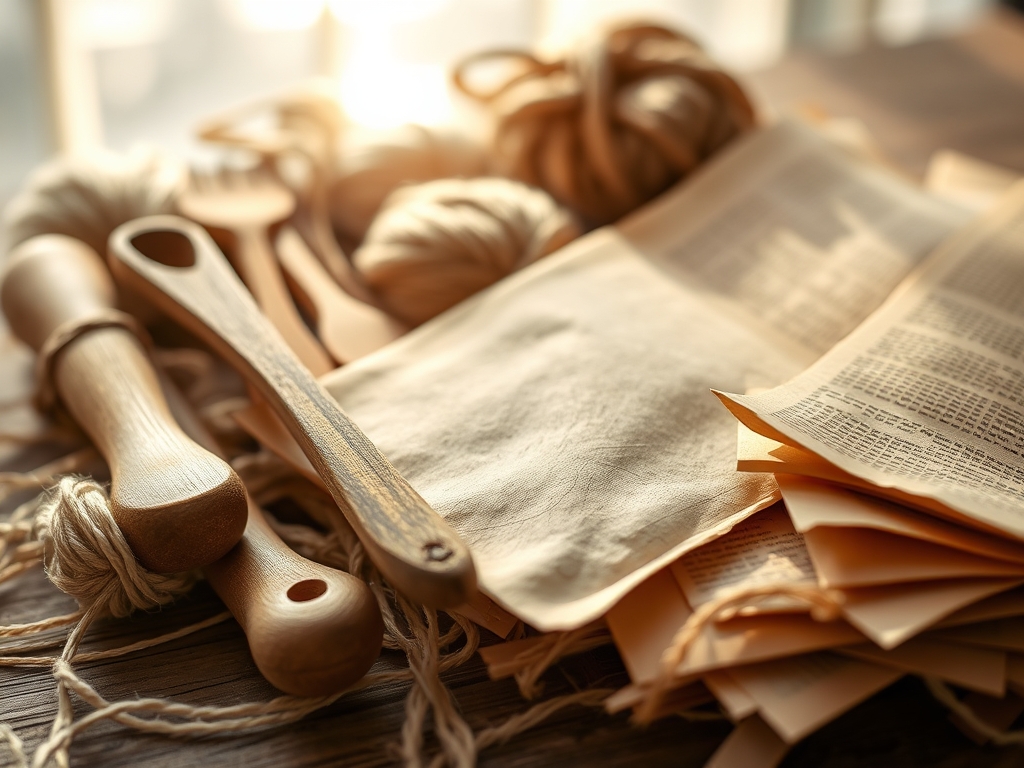
To execute these sachets with professional precision, you need a kit that respects the tensile strength of your textiles and the porosity of your botanicals. We are looking for materials that allow for maximum airflow while maintaining a tight enough weave to prevent dust leakage.
- The Textiles: 100 percent linen or organic cotton muslin. These fabrics have a high wicking capability and a loose enough gauge to allow scent molecules to travel.
- The Botanicals: Dried Lavender (Lavandula angustifolia), Cedar Shavings, Dried Rose Buds, Lemon Verbena, and Whole Cloves.
- Precision Tools: A rotary cutter for perfectly square edges; a bone folder to create crisp, aerodynamic creases in your fabric; and a 6-inch metal ruler for measuring exact seam allowances.
- The Closure: Silk embroidery floss or a heavy-duty waxed linen thread for a durable, airtight seal.
- Material Substitutions: If you cannot find linen, a high-thread-count cheesecloth doubled over provides excellent permeability. Instead of cedar shavings, you can use sandalwood chips, which offer a similar density and longevity.
THE TEMPO
The Maker's Rhythm for this project is divided into three distinct phases of energy. First is the Curation Phase (15 minutes), where you calibrate your scent profile. This is followed by the Construction Phase (30 minutes), which requires steady, rhythmic hand-stitching or machine work. Finally, we have the Infusion Phase (10 minutes), where the botanicals are integrated. Total active time is approximately one hour. The "rhythm" here is about the transition from the chaotic, crumbly texture of the flowers to the smooth, structured finish of the sewn pouch.
THE CORE METHOD
1. Calibrating the Botanical Blend
Select your primary aromatic base. For a dresser, a 3:1 ratio of Lavender to Cedar is the gold standard for both scent and pest repellency. Use your hands to gently bruise the dried materials.
Mastery Tip: This bruising utilizes mechanical stress to rupture the oil glands (trichomes) on the surface of the leaves. Do not over-grind; if the particles become too small, they will clog the fabric pores and reduce the diffusion rate.
2. Precision Fabric Cutting
Lay your linen on a self-healing mat. Using your rotary cutter and a straight edge, cut rectangles measuring 5 inches by 10 inches. This size ensures the surface area to volume ratio is optimized for scent release.
Mastery Tip: Always cut along the grainline of the fabric. Aligning your cuts with the warp and weft threads prevents the fabric from skewing under the pressure of the filling, maintaining its structural integrity.
3. Creating the Structural Envelope
Fold the fabric in half, right sides together. Use your bone folder to burnish the fold line. Sew the side seams with a 1/4 inch seam allowance, leaving the top open.
Mastery Tip: Use a tight stitch length (2.0mm). This creates a high seam density that prevents fine botanical dust from migrating through the stitches via capillary action when the sachet is moved.
4. The Inversion and Filling
Turn the pouch right side out and push the corners out using a blunt tool. Fill the pouch two-thirds full with your blend. Do not overstuff; the botanicals need "breathing room" to allow air to circulate through the center of the mass.
Mastery Tip: The bulk density of the fill affects how the scent lingers. A loose fill allows for immediate high-intensity scent, while a packed fill acts as a reservoir for a slower, more sustained release.
5. Hermetic Sealing
Fold the raw top edges inward by half an inch. Use a ladder stitch or a decorative whipstitch with your waxed linen thread to close the top.
Mastery Tip: Waxed thread increases friction within the knot, ensuring the sachet does not burst under the hydrostatic pressure of being buried under heavy sweaters in a drawer.
THE TECHNICAL LEDGER
Maintenance & Longevity: Every 3 to 4 weeks, give your sachets a vigorous squeeze. This creates fresh micro-fractures in the dried botanicals, releasing a new wave of essential oils. If the scent fades after six months, you can inject the center with two drops of concentrated oil using a fine-gauge needle.
Material Variations:
- Sustainable: Use reclaimed vintage silk scarves. Silk has a unique protein structure that holds onto scent molecules longer than cellulose-based fibers.
- Premium: Incorporate dried Orris Root as a fixative. Its chemical properties slow down the evaporation rate of more volatile scents like citrus or mint.
The Correction:
- Leaking Dust: If dust escapes, your fabric pore size is too large. Fix: Line the interior with a layer of thin non-woven interfacing.
- Weak Scent: The botanicals may be too old. Fix: Add a teaspoon of coarse sea salt to the mix; the salt acts as a desiccant and scent carrier.
- Bunching Seams: This happens when the thread tension is too high. Fix: Use a zigzag stitch to allow the seam to expand and contract with the filling.
Studio Organization: Store your bulk dried florals in airtight glass jars away from UV light. Photodegradation breaks down the molecular bonds of the essential oils, turning your fragrant lavender into scentless hay.
THE FINAL REVEAL
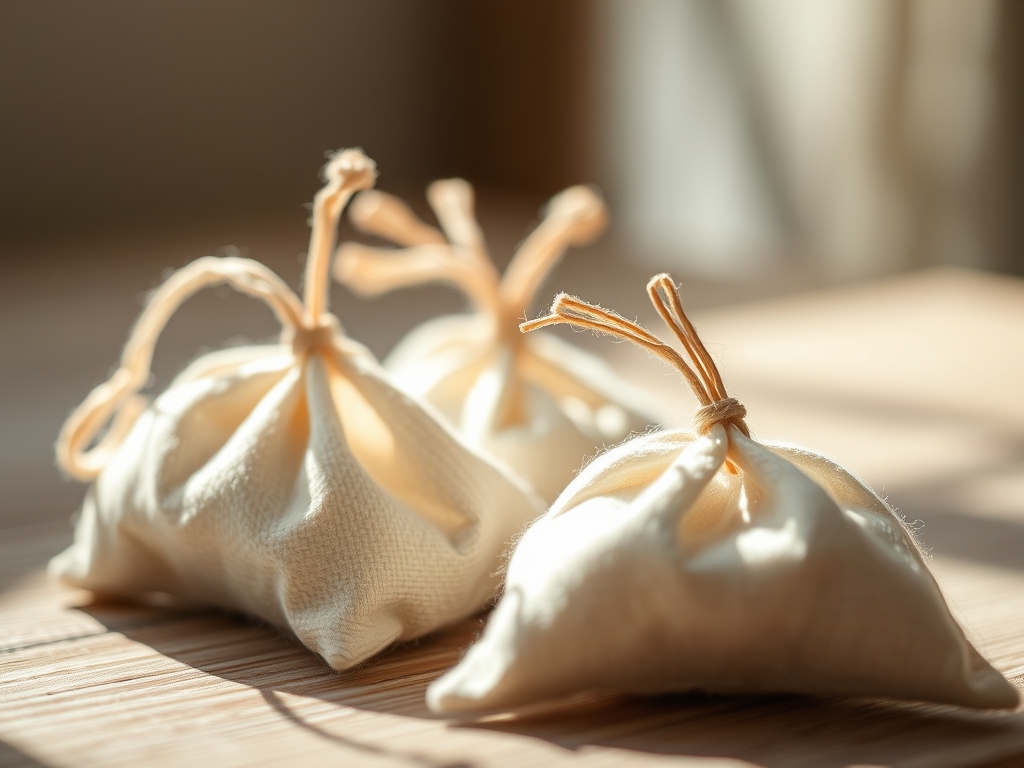
The result is a set of architecturally sound, aesthetically pleasing Naturally Scented Sachets that bridge the gap between home economics and molecular biology. These pouches feel substantial in the hand; they have a specific tactile gravity that screams quality. When tucked between your linens, they do not just mask odors; they transform the micro-climate of your furniture. You have successfully engineered a passive diffusion system that is as beautiful as it is functional.
STUDIO QUESTIONS
Which dried flower holds its scent the longest?
Lavender is the undisputed champion due to its high concentration of linalool. Its cellular structure is designed to retain oils even after the moisture has been completely removed through desiccation, lasting up to a year with regular agitation.
Can I use fresh flowers instead of dried?
No. Fresh flowers contain high moisture content which leads to mold and bacterial growth within the enclosed fabric. You must use botanicals with a moisture level below 10 percent to ensure the biological stability of your sachet.
What is the best fabric for maximum scent?
Linen with a thread count between 80 and 100 is ideal. It offers the perfect balance of durability and air permeability, allowing the volatile aromatic compounds to escape without compromising the pouch's ability to contain the botanical solids.
How do I revive a sachet that lost its smell?
Gently knead the sachet to break the internal cell walls of the botanicals. If that fails, the oils have fully volatilized. You can refresh the core by adding a few drops of essential oil to the center of the filling.
Why does my sachet smell like hay?
This usually indicates UV degradation or heat exposure. If the botanicals are stored in direct sunlight, the aromatic terpenes break down. Always keep your sachets in dark, cool environments like drawers to maintain their chemical integrity.