Imagine the scent of a crisp, alpine morning distilled into a single skein of undyed merino. When you press your cheek against organic wool, you are not just feeling softness; you are interacting with a complex protein structure designed by evolution to regulate thermal energy. We are diving into the world of Hand Knit Baby Bonnets today because your favorite tiny human deserves more than just a hat. They deserve a micro-climate. Organic wool possesses a unique crimp that creates millions of tiny air pockets; this is the secret to its incredible insulating power. As we cast on, you will feel the lanolin, a natural wax, lubricating your fingertips. This isn't just a craft project; it is a structural engineering feat scaled down to the size of a grapefruit. We are going to manipulate high-tensile fibers into six distinct architectural silhouettes that protect the fontanelle while remaining breathable. Grab your favorite mug of tea and clear your workbench. We are about to turn raw, sustainable ply into a family heirloom that defies the wear and tear of toddlerhood.
THE STUDIO KIT
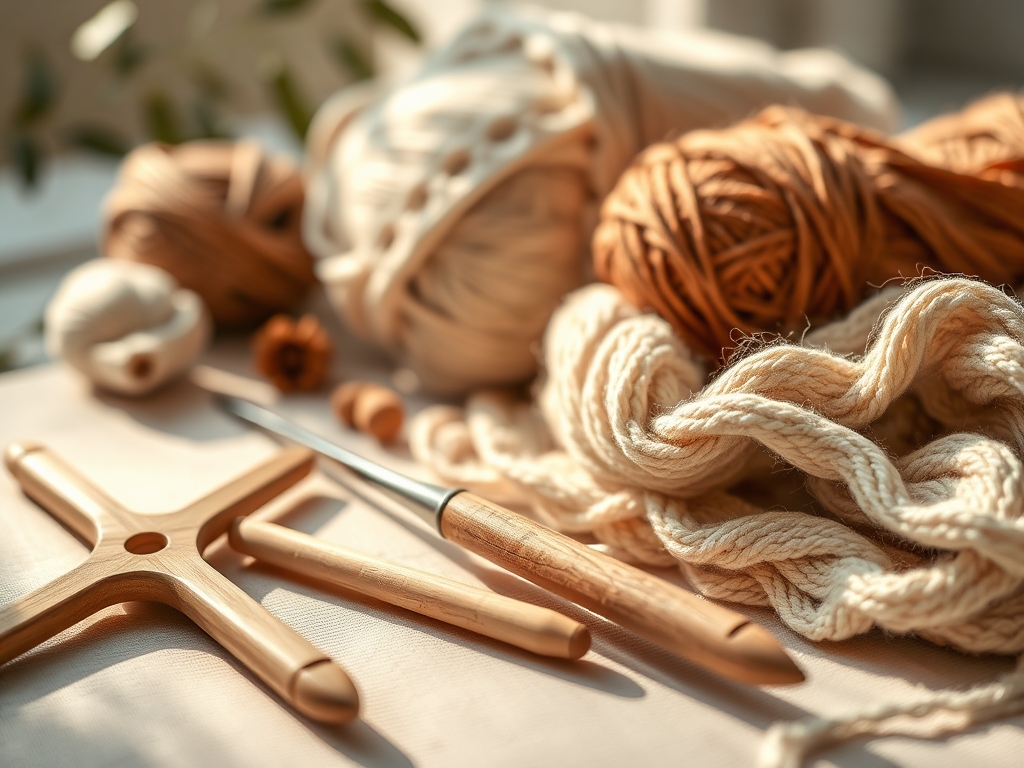
To achieve professional results, you must respect your inventory. For these Hand Knit Baby Bonnets, we start with GOTS-certified organic wool. This certification ensures the fiber is free from heavy metals and endocrine disruptors. You will need a set of stainless steel circular needles; I prefer these over bamboo because the low friction coefficient allows for a faster, more fluid stitch transition. Keep a pair of digital calipers nearby to measure your gauge precisely; even a two-millimeter deviation can alter the fit of a newborn size. You will also need a blunt-tipped tapestry needle for seamless grafting and a flexible measuring tape to track crown depth.
Material Substitutions: If your subject has hyper-sensitive skin, swap the wool for a long-staple pima cotton. While cotton lacks the elastic memory of wool, its high cellulose density provides excellent durability. Alternatively, a 70/30 alpaca-silk blend offers incredible thermal regulation with a luxurious drape, though it requires a tighter gauge to prevent sagging over time.
THE TEMPO
The "Maker's Rhythm" is a psychological state where your muscle memory takes over the mechanical repetition of the needles. For a standard bonnet, expect a total production time of four to six hours. The Foundation Phase (casting on and ribbing) takes about forty-five minutes; this is where you set the structural tension. The Expansion Phase (the body of the bonnet) is the longest stretch, requiring roughly three hours of steady, rhythmic knitting. Finally, the Contraction Phase (shaping the crown) takes about an hour of high-focus work. I recommend working in ninety-minute sprints to prevent hand fatigue and maintain consistent stitch torque.
THE CORE METHOD
1. The Elastic Foundation
We begin with a Long-Tail Cast On to ensure the edge that touches the baby's face has maximum elasticity. This method creates a built-in row of knit stitches that anchors the fabric.
Mastery Tip: The science here is all about lateral tension. If you cast on too tightly, you restrict the wool's ability to expand, which can cause discomfort. Aim for a "Goldilocks" tension where the loops slide freely but do not wobble on the needle.
2. Establishing the Thermal Rib
Switch to a 1×1 ribbing pattern for the first inch. This creates a corrugated structure that acts like a spring, hugging the head without applying excessive pressure.
Mastery Tip: Ribbing utilizes structural geometry to create stretch. By alternating knit and purl stitches, you are essentially creating a series of vertical hinges that allow the fabric to expand radially while maintaining its vertical integrity.
3. Body Architecture and Texturing
This is where we implement our six patterns, ranging from the classic Garter Stitch to the sophisticated Diamond Lattice. Each pattern changes how light hits the surface and how the fabric traps heat.
Mastery Tip: Different stitch patterns affect fabric density. A seed stitch, for example, creates a thicker, more porous fabric than a stockinette stitch because the frequent alternation of yarn position creates more surface area for air entrapment.
4. Crown Decreasing and Curvature
To transition from a flat tube to a rounded cap, we use centralized decreases. This involves mathematically reducing the number of active stitches at specific intervals to create a smooth, spherical curve.
Mastery Tip: This is an exercise in spherical trigonometry. By decreasing eight stitches every other row, you create a parabolic curve that mimics the natural anatomy of a human cranium, ensuring the bonnet stays centered during movement.
5. The I-Cord Tether
Instead of flat ribbons, we knit a three-stitch I-cord. This creates a sturdy, rounded tube that is much harder for tiny fingers to untie but soft enough not to chafe the chin.
Mastery Tip: The I-cord relies on torsional strength. Because it is a continuous spiral of stitches, the tension is distributed evenly throughout the cord, preventing the "snapping" point common in flat-knitted ties.
6. The Wet Block Finish
Once the knitting is done, submerge the bonnet in lukewarm water with a pH-neutral wool wash. Gently squeeze out the excess moisture and pin it to a blocking mat to dry.
Mastery Tip: This process is called hydrogen bond resetting. Water breaks the temporary bonds between the wool fibers; as it dries, the fibers settle into their new, permanent positions, smoothing out any irregularities in your gauge.
THE TECHNICAL LEDGER
Maintenance & Longevity: Organic wool is naturally antimicrobial due to its fatty acid content. Do not over-wash. If the bonnet becomes soiled, spot clean with cold water. Store in a breathable cotton bag with a piece of cedar to repel keratin-eating larvae.
Material Variations: For a summer version, use recycled linen. Linen has high thermal conductivity, meaning it pulls heat away from the body, making it the perfect technical fiber for warmer climates.
The Correction:
- The Laddering Fix: If you see gaps between needles, use a crochet hook to pull the slack through adjacent stitches to redistribute the tension.
- The Dropped Stitch: Don't panic. Use a locking stitch marker to catch the loop immediately, then use a repair hook to "climb" the stitch back to the current row.
- The Gauge Drift: If your knitting gets looser as you go, check your grip. Fatigue often causes a loss of frictional resistance; take a break to reset your hand ergonomics.
Studio Organization: Store your circular needles in a hanging organizer to prevent the cables from developing "memory kinks." Use airtight glass jars for your wool stash to protect the fibers from UV degradation and moisture.
THE FINAL REVEAL
Look at that architectural masterpiece! You have successfully transformed a pile of raw, organic fiber into a functional piece of protective gear. The way the light catches the ply definition in your chosen pattern is nothing short of art. These Hand Knit Baby Bonnets are more than just accessories; they are a testament to your precision and care. The organic wool will only get softer with use, blooming into a halo of warmth that will keep a little one cozy through every season. You didn't just knit a hat; you mastered the physics of fiber.
STUDIO QUESTIONS
Which needle material is best for organic wool?
Stainless steel is superior for organic wool. Its slick surface compensates for the natural "grab" of unrefined fibers, allowing for a consistent gauge and preventing the yarn from splitting during high-speed transitions.
How do I prevent the bonnet from shrinking?
Avoid thermal shock and agitation. Always wash in lukewarm water and never wring the fabric. Use a towel to roll out excess moisture, ensuring the protein fibers do not felt or contract.
Can I use synthetic yarn for these patterns?
While possible, synthetics lack breathability and moisture-wicking properties. Organic wool can absorb up to thirty percent of its weight in moisture without feeling damp, which is critical for a baby's comfort and temperature regulation.
Why is my gauge different from the pattern?
Gauge is influenced by your individual tension and needle material. Always knit a four-inch swatch and block it before starting the bonnet to ensure your tension matches the structural requirements of the design.
What is the best way to join a new ball of yarn?
Use the Russian Join for organic wool. By interweaving the fibers of the two ends with a tapestry needle, you create a seamless, knot-free connection that maintains the tensile strength of the yarn without adding bulk.