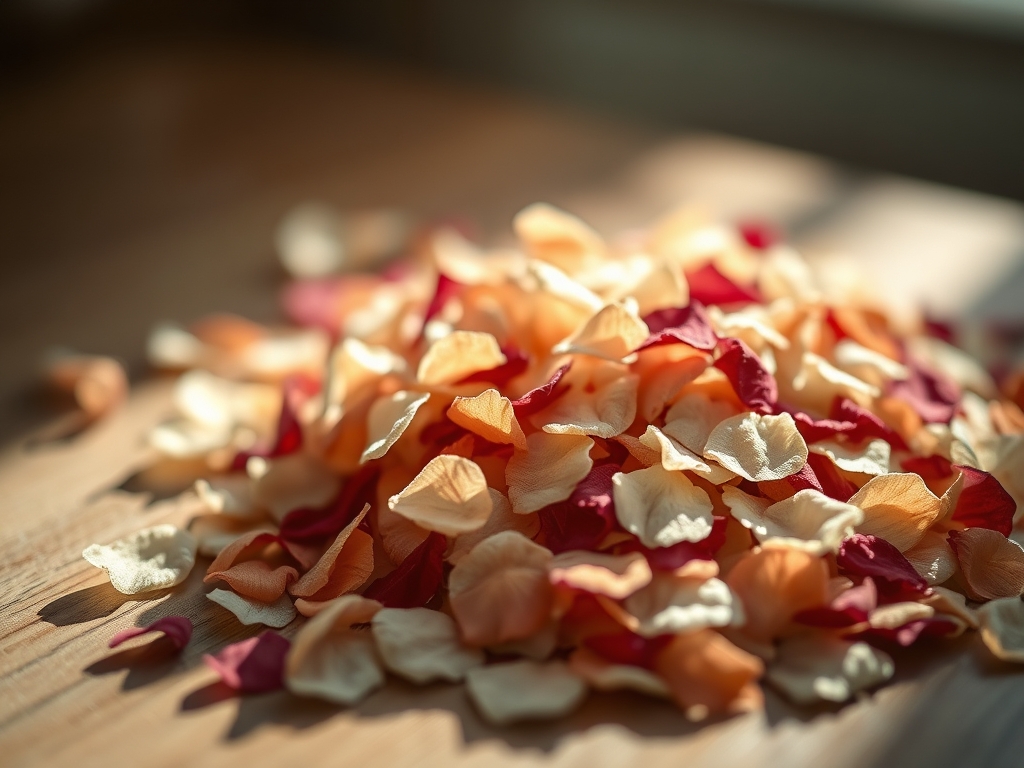
Imagine the crisp snap of a parchment thin larkspur bloom as you press it between your fingertips. There is a specific, electric friction that occurs when organic matter loses its moisture but retains its structural soul. We are moving away from the synthetic glitter of the past and leaning into the raw, tactile beauty of Pressed Petal Confetti. To get this right, you have to respect the cellular walls of the flora. When you hold a handful of dried petals, you are feeling the result of controlled evaporation; the water has departed, leaving behind a delicate skeleton of cellulose and pigment. It feels like ancient paper, light enough to catch a thermal draft but substantial enough to create a satisfying visual arc when tossed into the air. This is the ultimate green wedding flex. It is biodegradable, aesthetically superior, and carries a scent profile that no plastic substitute can mimic. We are not just making floor litter; we are engineering a moment of botanical suspension.
THE STUDIO KIT
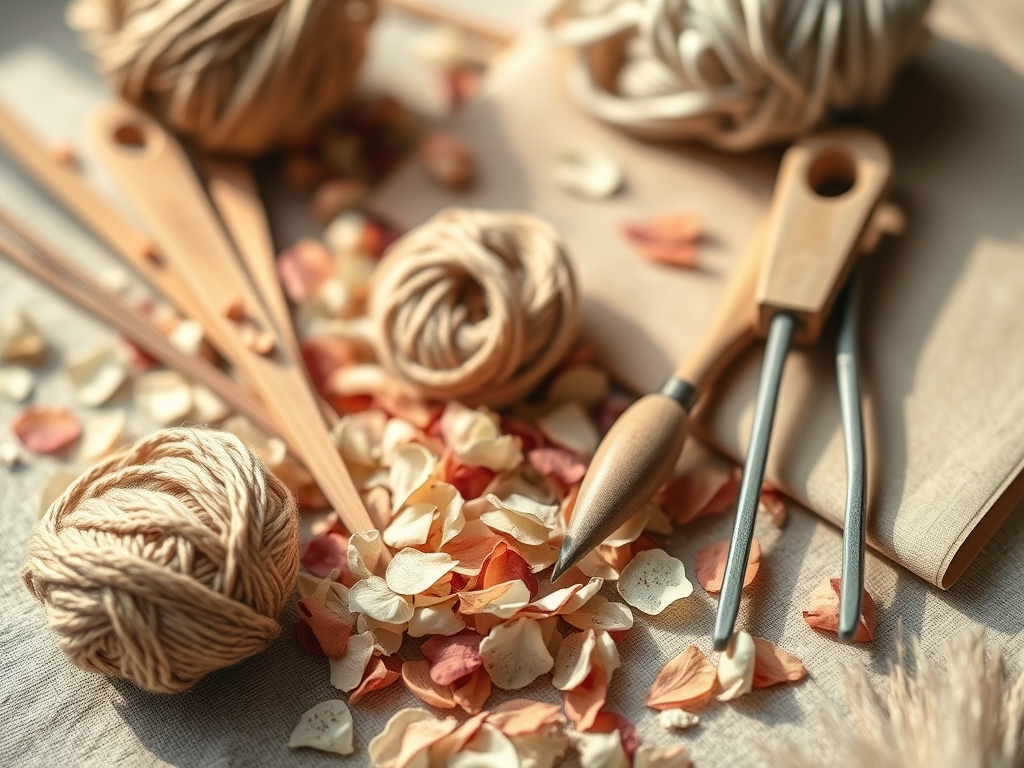
To master the physics of the toss, you need the right assembly of tools. This is not a casual craft; it is a study in moisture management. First, you need a high grade botanical press or a heavy stack of high-ply blotting paper. The paper must be porous to wick away fluids without sticking to the delicate petal skin. I recommend using a bone folder to ensure your petals are perfectly flat before they enter the drying phase. For the actual processing, a pair of fine-point tweezers or a jeweler's saw can be used for precision trimming of stems, though a simple rotary cutter works wonders for bulk batches.
Material Substitutions: If you cannot find professional blotting paper, use unbleached newsprint. Avoid textured paper towel, as the pattern will emboss itself onto the petal surface through sheer hydraulic pressure. For the "green" element, ensure your flowers are organic; pesticides can alter the tensile strength of the dried petal, making it brittle rather than flexible.
THE TEMPO
The "Maker's Rhythm" for confetti is a marathon, not a sprint. You are working with the biological clock of the plant. The initial prep phase takes about two hours of meticulous sorting. The desiccation phase—the time the petals spend under pressure—requires seven to ten days. If you rush this, the internal moisture will cause the batch to ferment and brown. Finally, the fluffing phase takes about an hour, where you gently separate the compressed layers to give them aerodynamic volume.
THE CORE METHOD
1. The Botanical Harvest
Select your flowers at the peak of their turgor pressure, usually in the mid-morning after the dew has evaporated but before the sun stresses the stems. High-moisture blooms like roses require more attention than low-moisture options like lavender.
Mastery Tip: Understanding turgor pressure is key. This is the force of water against the cell walls. If the pressure is too low (wilted flowers), the confetti will look limp and dull. If it is too high, the petals may bruise during the initial press.
2. The Layered Compression
Place your petals in a single layer on the blotting paper. Do not overlap them; if they touch, they will fuse together at a molecular level as the sugars concentrate during drying. Use your bone folder to gently smooth out any air pockets.
Mastery Tip: This step relies on capillary action. The blotting paper pulls the moisture out of the petals. By ensuring maximum surface area contact, you accelerate the drying process and preserve the vibrant anthocyanins (the pigments) in the petals.
3. The Weight Distribution
Apply even pressure across your press. If you are using books, ensure the weight is centered. Uneven pressure leads to "warping," where one side of the petal is thinner and more translucent than the other, ruining the aerodynamic consistency of your toss.
Mastery Tip: Use a caliper to check the thickness of your press at all four corners. Uniformity in pressure ensures that the evaporation rate is consistent across the entire batch, preventing localized mold growth.
4. The Aeration Shuffle
After five days, carefully open the press and move the petals to a fresh, dry sheet of paper. This prevents the petals from bonding to the fibers of the paper and allows for a final "flash dry" of the remaining cellular moisture.
Mastery Tip: This stage addresses surface tension. As the petals dry, they tend to cling to the nearest surface. By breaking that bond mid-way through, you ensure the petals remain "free-floating" and easy to handle once fully cured.
THE TECHNICAL LEDGER
Maintenance & Longevity: Once dried, your confetti is highly hygroscopic, meaning it will suck moisture right out of the air. Store it in an airtight glass jar with a small silica gel packet. Keep it in a dark cool place; UV rays will break down the chemical bonds of the pigments, turning your vibrant pinks into a sad, dusty beige.
Material Variations:
- Sustainable: Use native wildflowers to support local ecosystems.
- Recycled: Repurpose "past-prime" bouquets from local florists.
- Premium: Incorporate 24k gold leaf flakes for a high-contrast metallic flash during the toss.
The Correction:
- The Mistake: Petals are turning brown. The Fix: Your pressure was too low or your paper wasn't porous enough. Increase the weight and use higher-grade blotting paper.
- The Mistake: Petals are shattering. The Fix: They are over-dried. Lightly mist the air (not the petals!) with a fine atomizer to introduce a tiny amount of humidity before handling.
- The Mistake: Confetti is clumping. The Fix: Static electricity is the culprit. Toss the petals with a tiny amount of cornstarch to neutralize the charge.
Studio Organization: Use a modular bin system. Label each bin by "Flower Type" and "Dry Date." Never mix batches of different moisture levels, or the damp petals will ruin the dry ones through moisture migration.
THE FINAL REVEAL
The result is a sensory explosion. When you finally release that jar of Pressed Petal Confetti, it should look like a shattered rainbow. The different weights of the nine flower types—from the heavy, swirling rose petals to the light, drifting delphiniums—create a multi-layered visual effect. It is a high-energy, eco-conscious celebration that smells like a summer meadow and looks like fine art. You have successfully turned raw physics and botany into a moment of pure, sustainable magic.
STUDIO QUESTIONS
Which flowers work best for pressed confetti?
Focus on flowers with low moisture and high pigment density. Larkspur, delphinium, rose petals, cornflowers, and lavender are elite choices. Their cellulose structure holds up well under pressure, ensuring they do not crumble into dust when handled during the wedding festivities.
How much confetti do I need per guest?
Calculate roughly half a cup per guest. This volume accounts for the bulk density of the dried petals. Since pressed petals are flatter, they pack more tightly, so you need a higher count of individual blooms to create a visually satisfying handful.
Can I scent my pressed petal confetti?
Yes, but avoid oils which ruin the porosity of the petals. Instead, place a cotton ball soaked in essential oil at the bottom of the storage jar, separated by a mesh screen. The petals will absorb the scent through gas diffusion.
How long will the confetti stay vibrant?
If stored in a cool, dark, and airtight environment, your confetti will maintain its pigment integrity for up to twelve months. Exposure to oxygen and UV light is the primary cause of degradation, so keep those jars sealed until the big day.
Is pressed confetti better than fresh?
Pressed confetti has a superior hang time in the air. Fresh petals are heavy and fall quickly due to their water weight. Dried petals are lighter and catch air currents more effectively, providing a much better opportunity for high-quality photography.