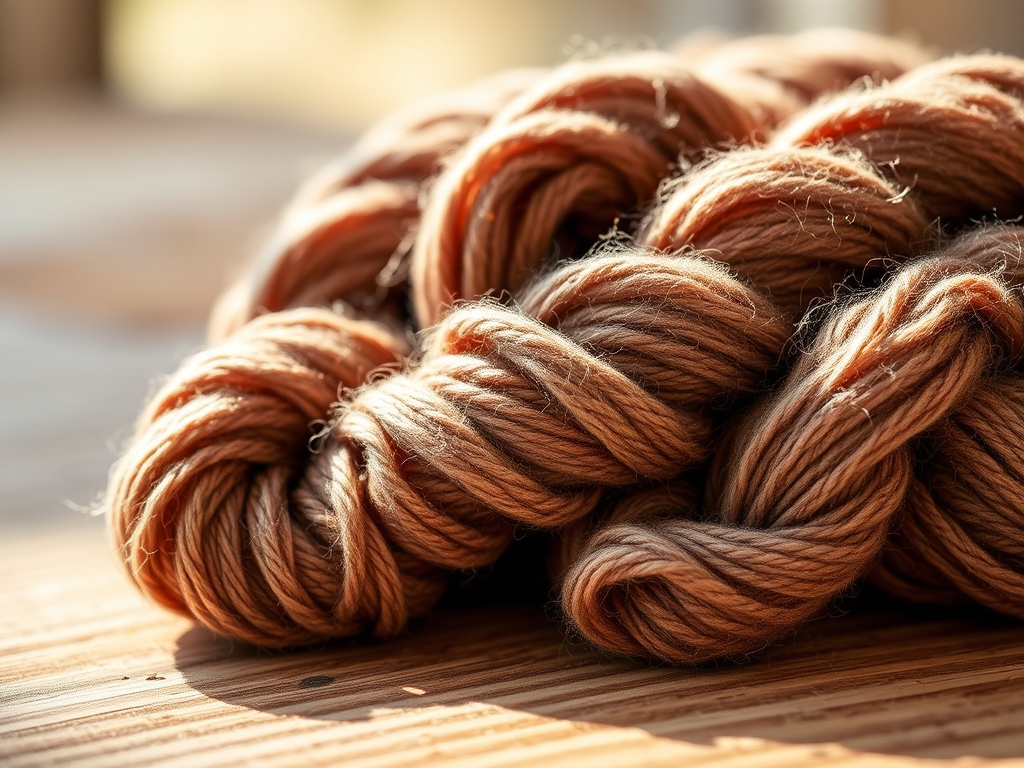
Close your eyes and imagine the scent of a damp forest floor meeting the sharp, medicinal snap of crushed silver dollar leaves. Your hands are currently buried in a pile of raw, cream-colored wool that feels like a cloud with a memory. We are about to transform these fibers into a collection of Naturally Dyed Yarn Skeins that capture every subtle vibration of the eucalyptus tree. This is not just about color; it is about the molecular handshake between plant tannins and protein fibers. When you run your fingers over the ply, you can feel the tensile strength of the wool resisting your pull while the open cuticle of the hair waits to drink in the pigment. We are chasing those elusive, soft sage greens that look like morning mist trapped in a bottle. It is a process of slow chemistry and high-energy artistry. Grab your apron because we are about to turn your kitchen into a high-end textile lab where the air smells like peppermint and the results look like a high-fashion editorial.
THE STUDIO KIT
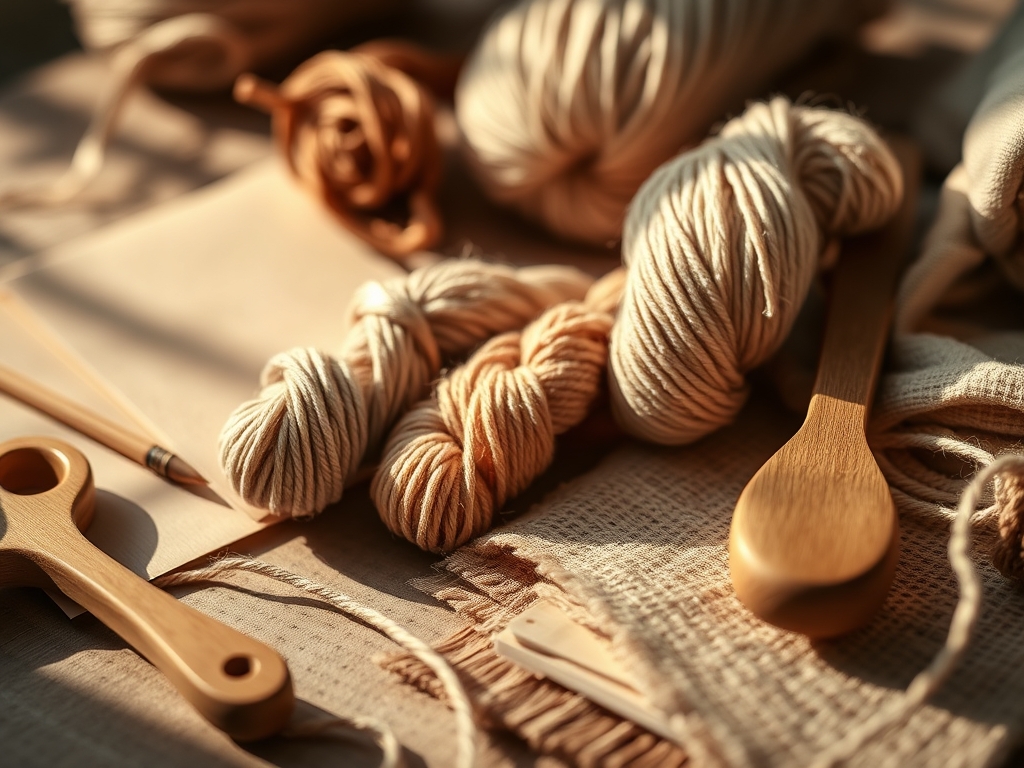
To achieve professional results, you need more than just a pot and some leaves; you need a precision setup. Start with a digital scale to measure your dry fiber weight, as the dye-to-fiber ratio determines the saturation. You will need a large stainless steel vessel (non-reactive is non-negotiable) to prevent unwanted metallic shifts in the color. For handling the yarn, use a smooth glass stirring rod or a high-heat silicone spatula to avoid snagging the delicate twist of the yarn. An infrared thermometer is essential for monitoring the temperature; if you exceed 180 degrees Fahrenheit, you risk "felting" the wool by agitating the scales on the fiber shaft.
For the eucalyptus itself, gather both fresh and dried leaves to provide a wider spectrum of flavonoids. You will also need Alum (Potassium Aluminum Sulfate) as your primary mordant. This chemical bridge anchors the dye molecules to the fiber. If you want to shift those greens into a darker, more olive territory, keep a small container of Ferrous Sulfate (iron) nearby.
Material Substitutions: If you cannot find fresh eucalyptus, high-quality dried bulk leaves work, though they may require a longer soak to rehydrate the cellular walls. If you lack a professional dye pot, a dedicated porcelain-coated canning pot is an excellent ergonomic alternative that retains heat exceptionally well.
THE TEMPO
The "Maker's Rhythm" for creating Naturally Dyed Yarn Skeins is a marathon, not a sprint. You are looking at a three-day cycle for maximum color fastness. Day one is the Scouring and Mordanting phase, which takes about four hours of active monitoring but requires an overnight soak. Day two is the Extraction and Dyeing phase, lasting roughly six hours as you slowly draw the pigments out of the leaves and marry them to the yarn. Day three is the Curing and Drying phase, where the yarn rests and the chemical bonds stabilize. This tempo allows the capillary action of the fiber to fully draw the dye into the core of the yarn rather than just staining the surface.
THE CORE METHOD
1. Scouring the Fiber
Before the color can enter, the "lanolin barrier" must exit. Submerge your yarn in a bath of warm water and a pH-neutral detergent. This removes oils and spinning lubricants that block dye absorption.
Mastery Tip: This step relies on surface tension reduction. By lowering the surface tension of the water, you allow the liquid to penetrate the inner cortex of the fiber, ensuring an even take-up of color later.
2. The Mordant Bath
Dissolve your Alum in hot water (8% of the weight of the fiber) and add it to a pot of cool water. Submerge the damp yarn and slowly raise the temperature.
Mastery Tip: The science here is cationic bonding. The Alum creates a positive charge on the fiber, which then attracts the negatively charged dye molecules. Without this, your soft greens will wash away during the first rinse.
3. Pigment Extraction
Simmer your eucalyptus leaves in a separate pot for at least two hours. You will see the water turn a deep, rusty orange. Do not be alarmed; the green magic happens during the interaction with the fiber and specific pH levels.
Mastery Tip: This is a thermal extraction process. Heat breaks down the cellulose walls of the leaves, releasing tannins and eucalyptol into the solvent (water).
4. The Dye Immersion
Strain the leaves and add the liquid to your main dye vat. Submerge your mordanted yarn. Keep the temperature steady at 170 degrees Fahrenheit for one hour, rotating the skeins gently with your glass rod.
Mastery Tip: Ensure you maintain a high liquor ratio. If the yarn is too crowded, you will get "hot spots" of color. The yarn needs room to swim so the diffusion rate remains constant across the entire surface area.
5. The Iron Shift (Optional)
To achieve those specific "eucalyptus greens," add a pinch of Ferrous Sulfate during the last 15 minutes of the bath. Watch as the bright yellows instantly "sadden" into sophisticated, misty greens.
Mastery Tip: This is a chemical reaction known as "complexing." The iron reacts with the tannins in the eucalyptus to create a darker, more light-fast molecular structure.
6. The Cooling Down
Never shock your yarn with cold water. Let the pot cool naturally to room temperature with the yarn still inside.
Mastery Tip: Rapid temperature changes cause the keratin proteins in the wool to contract violently, leading to a loss of elasticity and a harsh "hand" or texture.
7. The Final Rinse
Rinse the yarn in room temperature water until the water runs clear. Add a splash of white vinegar to the final rinse to balance the pH.
Mastery Tip: Balancing the pH helps to close the cuticle scales of the wool, locking in the pigment and restoring the yarn's natural shine and refractive index.
8. Drying and Finishing
Gently squeeze (never wring) the water out and hang the skeins in a shaded, breezy spot.
Mastery Tip: Avoid direct UV exposure during drying. UV rays can trigger photo-oxidation, which may degrade the freshly formed dye bonds before they have fully cured.
THE TECHNICAL LEDGER
Maintenance & Longevity: Naturally Dyed Yarn Skeins should be washed sparingly in cool water with a pH-neutral soap. Store them in a dark place, as natural dyes are more sensitive to light than synthetic "acid" dyes.
Material Variations:
- Sustainable: Use fallen eucalyptus bark for deeper bronze-greens.
- Recycled: Over-dye old, light-colored wool sweaters to give them a second life.
- Premium: Use a Silk-Merino blend; the silk provides a lustrous sheen that makes the eucalyptus green pop.
The Correction:
- Problem: Patchy color. Fix: Use a larger vat next time; the yarn was likely compressed, preventing even osmosis.
- Problem: Yarn feels "crunchy." Fix: You likely used too much Alum or iron. A light soak in a hair conditioner solution can help soften the fiber scales.
- Problem: Color is too yellow. Fix: Increase the iron mordant or add a handful of copper pennies to the dye bath to shift the chroma.
Studio Organization: To prevent degradation, store your finished skeins in breathable cotton bags. Avoid plastic bins, which can trap moisture and lead to mildew or fiber rot. Label each skein with the date, the mordant used, and the specific eucalyptus species for future replication.
THE FINAL REVEAL
Look at that! You have successfully navigated the complex intersection of botany and chemistry. Your Naturally Dyed Yarn Skeins are no longer just craft supplies; they are a tactile record of a living plant. The way the light hits those soft greens reveals a depth of color that synthetic dyes simply cannot replicate. Each ply carries the story of the forest, and the drape of the finished yarn is nothing short of luxurious. You have mastered the Maker's Rhythm, and your studio now smells like a high-end spa. Whether you knit, crochet, or weave with these, the result will be a masterpiece of organic engineering.
STUDIO QUESTIONS
How do I get green instead of orange from eucalyptus?
To achieve green, you must use an iron mordant (Ferrous Sulfate). Eucalyptus naturally produces tans or oranges; the iron reacts with the tannins to "sadden" the color into the green spectrum by altering the molecular light absorption.
Can I use any type of eucalyptus for dyeing?
Yes, but Silver Dollar (Eucalyptus cinerea) and Blue Gum (Eucalyptus globulus) are the most potent. They contain higher concentrations of cineole and tannins, which yield more vibrant and light-fast results on protein fibers like wool and silk.
Why did my yarn felt during the dyeing process?
Felting occurs due to "thermal shock" or excessive agitation. If you move the yarn too much or change the water temperature too quickly, the microscopic scales on the fiber interlock, permanently changing the yarn's structural integrity.
Do I need to scour the yarn if it looks clean?
Absolutely. Even "clean" yarn contains invisible spinning oils or dust that create a barrier. Scouring ensures the porosity of the fiber is uniform, allowing the mordant and dye to penetrate the inner medulla for a long-lasting finish.
How long will the color last?
When mordanted correctly with Alum and Iron, eucalyptus dyes are remarkably light-fast. While all natural dyes fade slightly over decades, these specific tannins create a permanent covalent bond with protein fibers, ensuring the soft greens remain sophisticated for years.