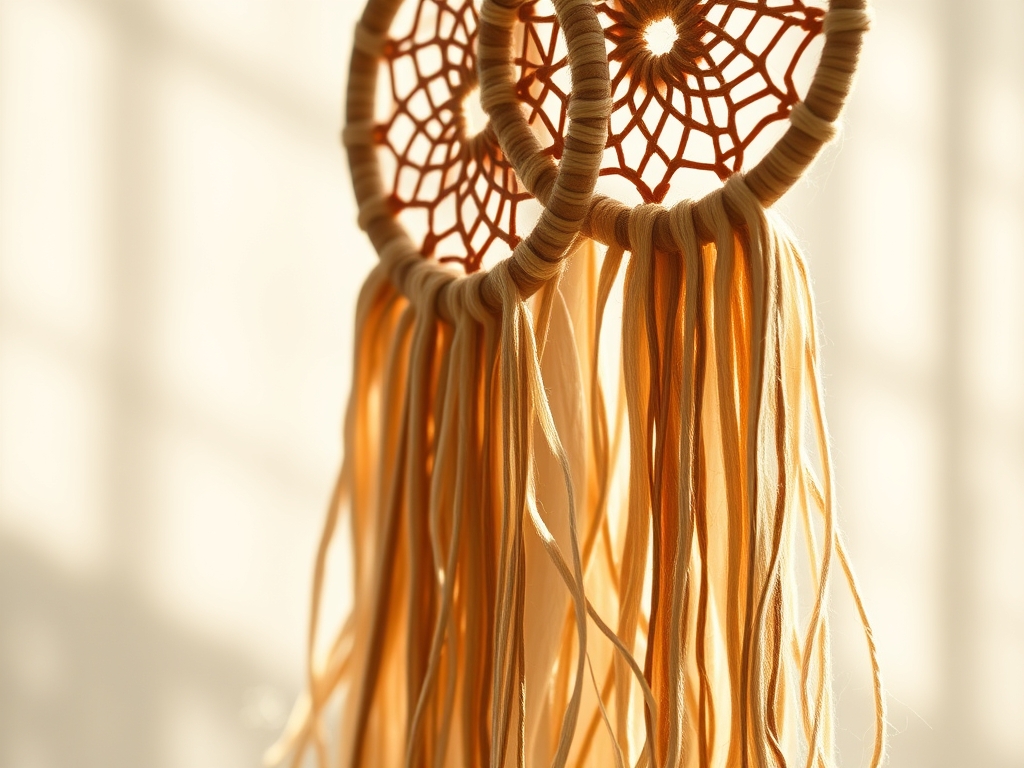
Grab your coffee and clear the workbench because we are about to dive into the high-stakes world of structural fiber art. There is a specific, electric thrill that comes from holding a raw grapevine or cedar hoop in your hands; it is the tactile weight of potential energy just waiting to be bound. When we talk about Woven Dream Catchers, we are not just making decor. We are engineering a tension-based web that relies on the precise intersection of friction and geometry. You can feel the grain of the wood resisting your pull, a reminder that every knot is a battle against the material's natural elasticity. We are going to balance the rigid, cellular structure of wood with the airy, aerodynamic perfection of natural feathers. It is a masterclass in material physics. We are looking for that sweet spot where the string is tight enough to hum but not so strained that it warps the hoop into an ellipse. This is where the science of the studio meets the soul of the maker, and I promise you, the results are nothing short of hypnotic.
THE STUDIO KIT
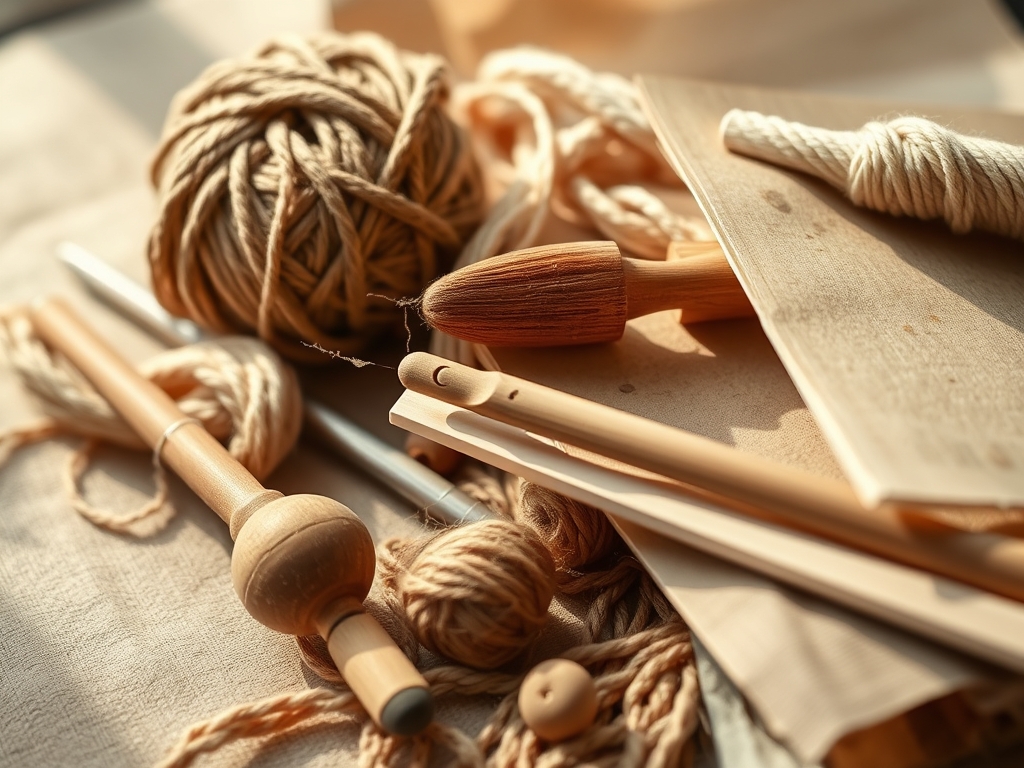
To execute this project with professional precision, you need more than just string and sticks. Start with a high-gauge embroidery needle or a specialized curved upholstery needle to navigate the tight angles of the inner web. For the hoop, use a caliper to measure the diameter and thickness; consistency here ensures your web remains symmetrical. Your primary cordage should be a waxed polyester or nylon thread with high tensile strength. The wax coating is not just for grip; it creates a microscopic layer of friction that prevents the knots from slipping during the "setting" phase. You will also need a bone folder to burnish the knots and ensure they sit flush against the wood.
Material Substitutions: If you cannot source a solid wood hoop, a laminated bamboo ring offers incredible structural integrity and a uniform grain. Instead of traditional sinew, try a 4-ply mercerized cotton for a matte finish. Mercerization increases the surface area of the fiber, making it more porous and receptive to natural dyes. For the feathers, if wild-foraged options are unavailable, look for ethically sourced turkey or goose primary feathers that have been steam-cleaned to maintain their barbule alignment.
THE TEMPO
The "Maker's Rhythm" is all about managing your cognitive load. This project requires approximately four hours of active labor, split into three distinct phases. Phase one is the Hoop Preparation (30 minutes), where you sand and seal the wood to prevent moisture from compromising the fibers. Phase two is the Web Geometry (2 hours). This is the most mentally taxing part, requiring a steady cadence and constant tension monitoring. If you break the rhythm, your web will develop "slack spots" that ruin the structural integrity. Phase three is the Feather Calibration (1.5 hours), where you balance the weight and aerodynamics of your eight chosen feathers. Allow for a 24-hour "curing" period where the piece hangs freely, letting gravity settle the fibers into their final resting positions.
THE CORE METHOD
1. Preparing the Wooden Foundation
Before the first knot is tied, you must inspect the wood hoop for any radial cracks or weak points. Use a fine-grit sandpaper (400 grit) to smooth the surface, following the grain direction to avoid raising the grain. Once smooth, apply a thin layer of beeswax or mineral oil. This creates a protective barrier that prevents the wood from absorbing atmospheric moisture, which can cause the hoop to expand and contract, eventually loosening your web.
Mastery Tip: Wood is a hygroscopic material, meaning it breathes. By sealing it, you stabilize the internal moisture content, ensuring your tension remains constant regardless of the humidity in your studio.
2. Establishing the Anchor Nodes
Start by tying a clove hitch knot at the twelve o'clock position. Use your caliper to mark equal increments around the circumference of the hoop. For a standard 8-inch hoop, eight to twelve nodes are ideal. As you loop the thread over the hoop, ensure the cord crosses over itself to create a friction lock.
Mastery Tip: This first row relies on surface tension. If your loops are too loose, the entire web will migrate toward the center. Use your bone folder to press each loop firmly against the wood, "setting" the anchor point.
3. Weaving the Geometric Spiral
Now, thread your needle through the center of the first loop, rather than around the hoop. This creates a "bridge." Continue this process, always aiming for the exact midpoint of the previous row's bridge. As the circle gets smaller, the tensile force increases exponentially. Keep your pull consistent to avoid pulling the hoop out of its circular alignment.
Mastery Tip: This is an exercise in capillary action in reverse. You are pulling the tension toward a central void. If one segment is tighter than the others, the web will become asymmetrical. Use a t-pin to hold loops in place if you need to adjust the tension mid-weave.
4. Feather Integration and Ballistics
The final step is attaching your eight natural feathers. Use a jeweler's saw or sharp rotary cutter to trim the quills at a 45-degree angle. This increases the surface area for the adhesive. Slide the quill into a small crimp bead or wrap it tightly with a fine-gauge wire before tethering it to the hoop or the bottom of the web.
Mastery Tip: Feathers are masterpieces of aerodynamic engineering. To keep them from curling, ensure the rachis (the center shaft) is not twisted during attachment. This maintains the feather's natural laminar flow and prevents it from looking "clumped."
THE TECHNICAL LEDGER
Maintenance & Longevity: To keep your Woven Dream Catchers in peak condition, avoid hanging them in direct sunlight, which can cause UV degradation of the organic fibers. Use a soft-bristled makeup brush to gently remove dust from the feathers, moving from the base to the tip to keep the barbs locked together.
Material Variations:
- Sustainable: Use reclaimed driftwood hoops and organic hemp cord.
- Premium: Incorporate semi-precious gemstones like faceted labradorite in the center of the web to act as a ballast.
- Recycled: Repurpose vintage silk thread from old saris for a high-sheen, high-strength web.
The Correction:
- The Warp: If the hoop bends, your tension is too high. Fix: Backtrack three rows and introduce a spacer bead to absorb some of the pull.
- The Slump: If the web sags, the knots are slipping. Fix: Apply a tiny drop of cyanoacrylate glue to the anchor nodes.
- The Fray: If the thread splits, your needle eye is too small. Fix: Use a beeswax burnish on the thread to smooth the fibers before re-threading.
Studio Organization: Store your completed projects in a pH-neutral environment. Use acid-free tissue paper to wrap the feathers, preventing them from becoming brittle. If you are storing multiple hoops, stack them vertically with spacers to avoid compression sets on the wood.
THE FINAL REVEAL
There she is! Your finished piece is a symphony of balanced forces. The rigid, grounded energy of the wood hoop perfectly offsets the ethereal, kinetic movement of the feathers. When you hold it up, the web should look like a crystalline structure, sharp and intentional. The eight feathers catch the slightest draft, spinning with a grace that only natural materials can provide. It is more than an object; it is a testament to your precision and your ability to harmonize the physical laws of the world into something beautiful. You have officially mastered the art of the weave!
STUDIO QUESTIONS
Why is my wood hoop warping?
Warping occurs when the tensile strength of the web exceeds the structural integrity of the wood. This usually happens with thin hoops or uneven tension. Use a thicker gauge hoop or seal the wood to increase its resistance to bending.
How do I stop feathers from fraying?
Feather fraying is caused by the separation of the barbules. Gently stroke the feather between your fingers to re-engage the microscopic hooks. For permanent hold, a light mist of archival-grade fixative can help maintain the feather's cohesive shape.
What is the best thread for Woven Dream Catchers?
Waxed polyester is the gold standard. It offers high tensile strength, minimal stretch, and the wax coating creates necessary friction. This ensures your knots stay locked in place without requiring excessive manual force during the weaving process.
Can I use fresh green wood for hoops?
It is risky. Green wood has a high moisture content and will shrink as it dries. This shrinkage will cause your web to lose tension and sag. Always use seasoned or kiln-dried wood to ensure a stable, long-lasting foundation.